
Table of Contents
- Work Details
- Recordings
- In Williams’ Words
- Quotes & Commentary
- Audio & Video
- Bibliography and References
Work Details
Commissioned by the Los Angeles Olympic Organizing Committee
Year of Composition: 1984
Duration: 4 min ca.
Instrumentation: 2 flutes, 1 piccolo, 3 oboes, 2 clarinets, 1 bass clarinets, 2 bassoons, 1 contrabassoon, 4 horns, 4 trumpets, 4 trombones, tuba, timpani, percussion (snare drum, field drum, piatti, bass drum w. suspended cymbal, chimes, glockenspiel, vibraphone, bass drum, triangle), harp, piano, strings
First Performance: June 12, 1984, at Symphony Hall, Boston, USA
Soloist/Orchestra: Boston Pops Orchestra conducted by John Williams
West Coast premiere on July 27, 1984 at the Hollywood Bowl with the Los Angeles Philharmonic Orchestra conducted by Michael Tilson Thomas.
Selected Recordings
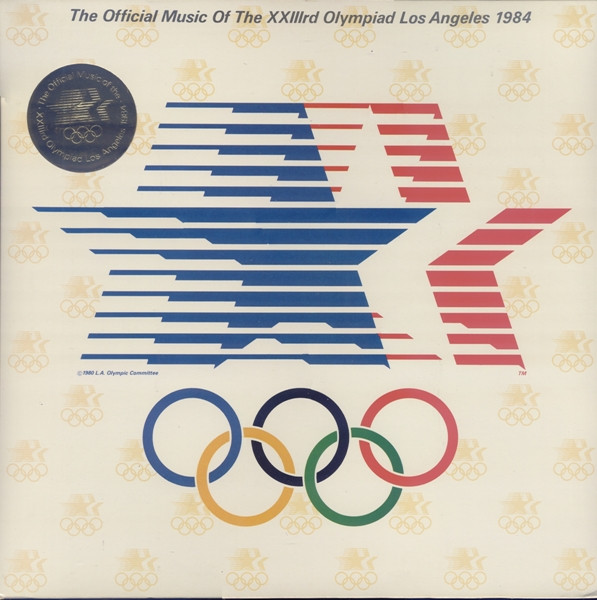
The Official Music Of The XXIIIrd Olympiad Los Angeles 1984 – LP (1984)
CBS – CBS 26048
Studio orchestra conducted by John Williams
Produced by Jack Elliott
Engineer: Dan Wallin
Recorded at The Record Plant, Studio M, Los Angeles, 1984
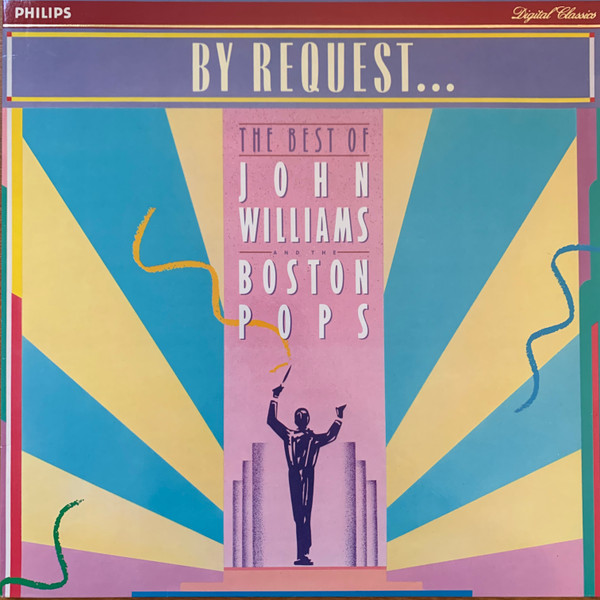
By Request… The Best Of John Williams And The Boston Pops – CD (1987)
Philips Classics – 420 178-2
Boston Pops Orchestra conducted by John Williams
Produced by John McClure
Engineers: Onno Scholtze, Arno Schultz
Recorded at Symphony Hall, Boston, May 1987
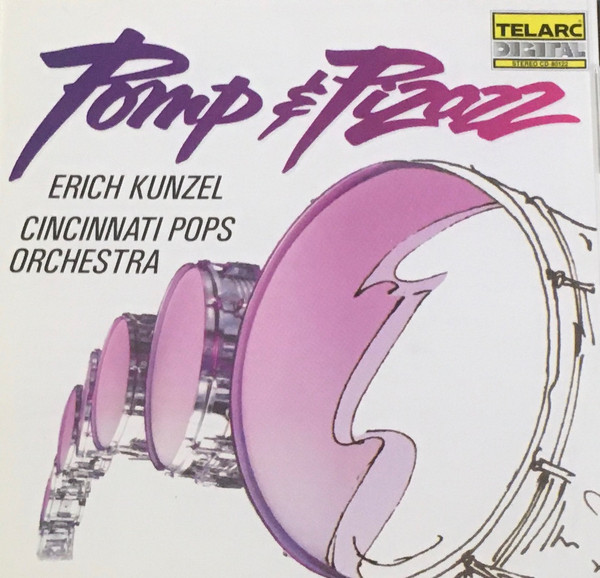
Pomp & Pizazz – CD (1987)
Telarc CD-80122
Cincinnati Pops Orchestra conducted by Erich Kunzel
Produced and Engineered by Robert Woods
Recorded at Orchestra Hall, Cincinnati, 1987
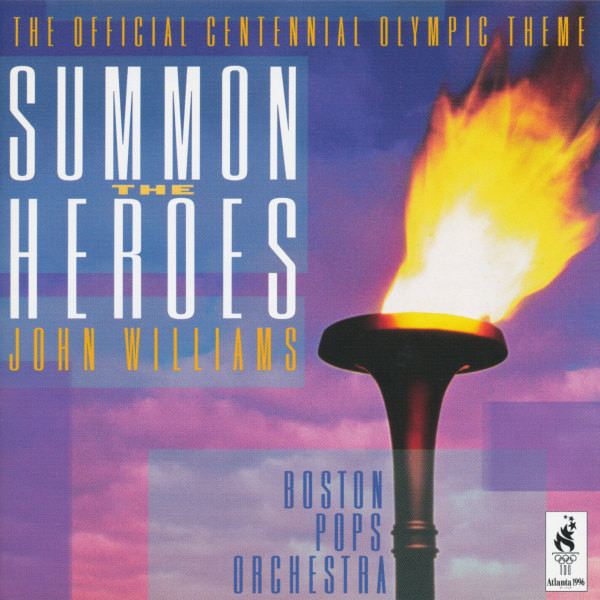
Summon The Heroes – CD (1996)
Sony Classical SK 62592
Version w/ “Bugler’s Dream” opening (Leo Arnaud)
Boston Pops Orchestra conducted by John Williams
Produced and Engineered by Shawn Murphy
Recorded at Symphony Hall, Boston, April 1996

Celebrating John Williams – CD (2019)
Deutsche Grammophon 483 6647
Los Angeles Philharmonic Orchestra conducted by Gustavo Dudamel
Recorded live at Walt Disney Concert Hall
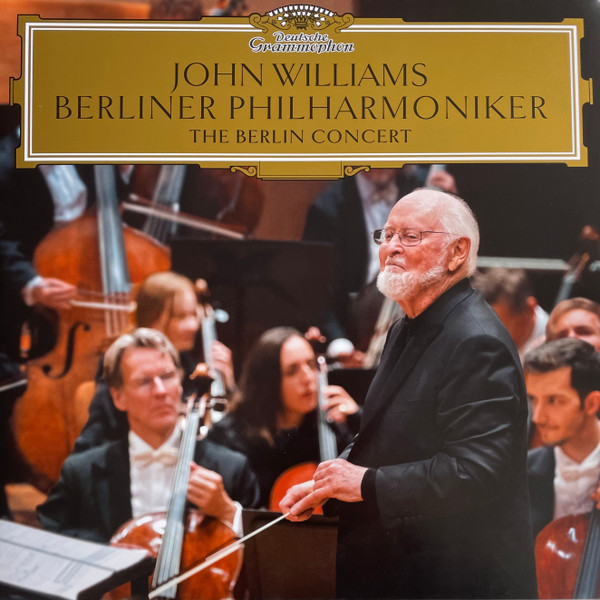
John Williams: The Berlin Concert – CD/LP/Blu-ray (2022)
Deutsche Grammophon 486 1713
Berlin Philharmonic Orchestra conducted by John Williams
Produced by Christoph Franke/Berlin Phil Media
In Williams’ Words
”I’m not an avid sports fan and I have never been to an Olympics, but from watching Olympics competition on television, I gained a feeling that I aspired to make the theme of ‘Fanfare.’ A wonderful thing about the Olympics is that young athletes strain their guts to find and produce their best efforts. The human spirit stretching to prove itself is also typical of what musicians attempt to achieve in a symphonic effort. It is difficult to describe how I feel about these athletes and their performances without sounding pretentious, but their struggle ennobles all of us. I hope I express that in this piece.” (1984)
Quotes & Commentary
As the snare drum begins its march, Williams’ Olympic theme unfolds as the strings and horns take center stage with a sweeping melody that Williams once described as a sonic embodiment of “the human spirit stretching to prove itself.” The trumpets and woodwinds answer with a fanfare figure. As the work builds to a stirring climax, you’ll hear the strings driving the rhythmic energy forward as the brass section carries the melody. This is roughly the same compositional technique as Williams’ “Imperial March” from Star Wars, but of course with the opposite emotional effect!
– Holly Chung, ph.D
One of the joys of John Williams’ music is that he finds a way to find this emotional connection, whether it’s a moment in “E.T.” of “what’s going to happen next?” where you hear the shimmering strings, or whether it’s the big heroic moment. And obviously, this Olympic theme, especially the trumpet flourish, is all about the heroism that goes into it. It’s a physical pursuit, the Olympics. And, in a way, what he wrote for us is very physical as well. It starts right away, right? So you don’t get to warm up into it. It’s like ready, set, go. It’s sort of like the 100 meters, where it’s like, OK, you want to get out of the blocks right away. Well, it’s the same thing we need to do. And it’s all this energy and brilliance. And you want to try to capture that feeling from the first notes. The next big challenge is going up to the high note. That’s the big moment of that first phrase, and that’s usually where they end on the TV broadcast, before the beautiful melody that comes in. The strings and French horns come in next. And that’s just a matter of just like, ready, set, go up to the high note. It’s letting the air rip through the horn.
– David Bilger, Principal Trumpet (Philadelphia Orchestra)
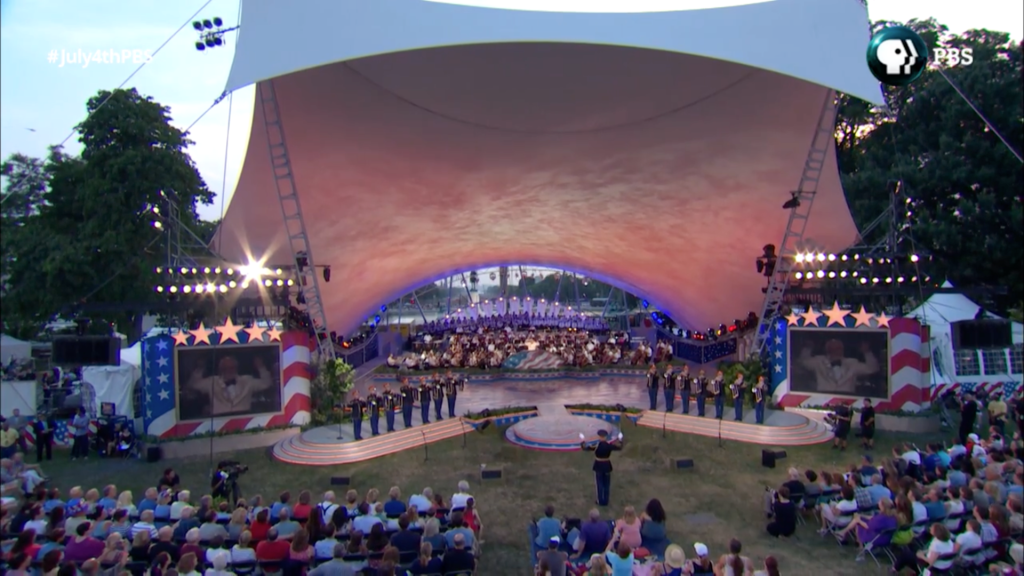
Video
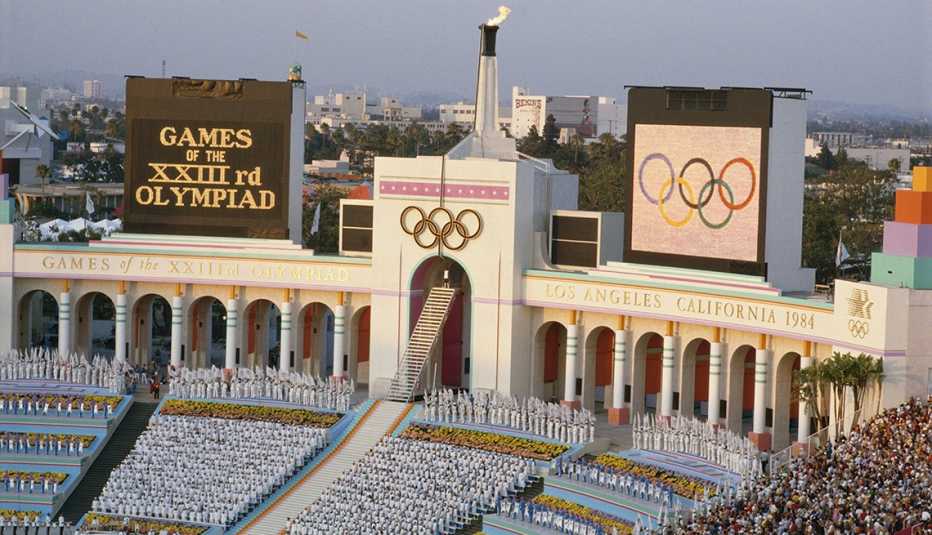
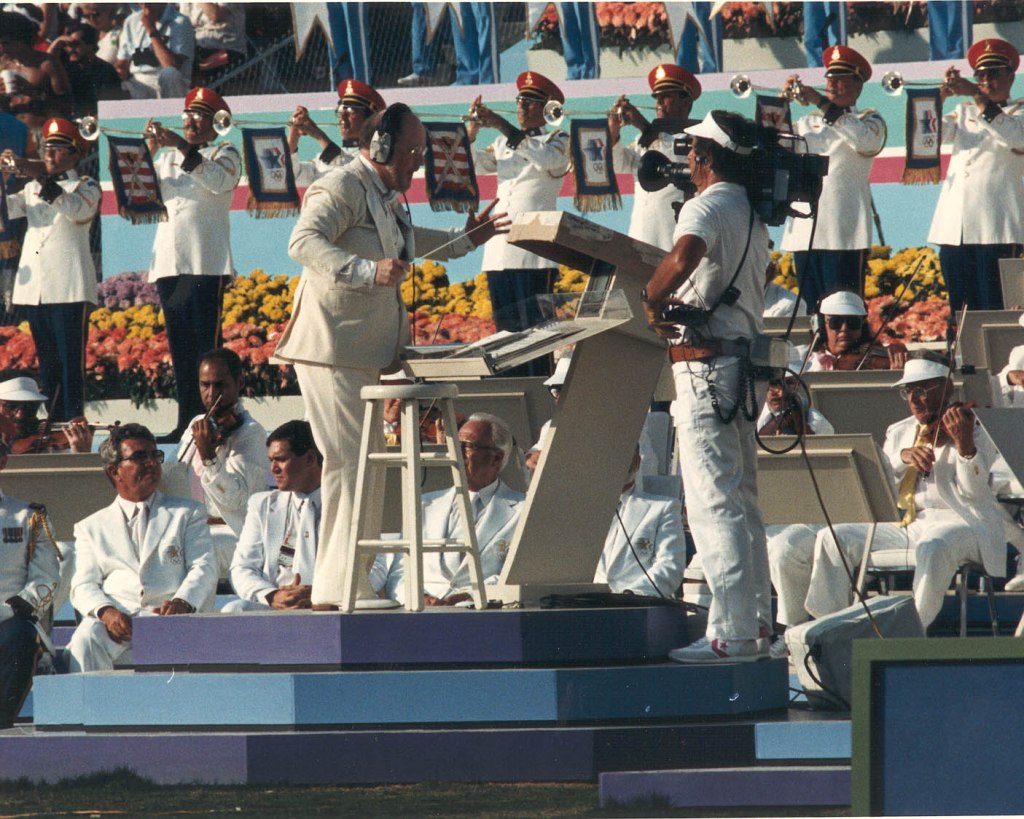
John Williams conducting “Olympic Fanfare and Theme” at the Los Angeles Coliseum on the opening ceremony of the XXIIIrd Olympic Games, July 28, 1984
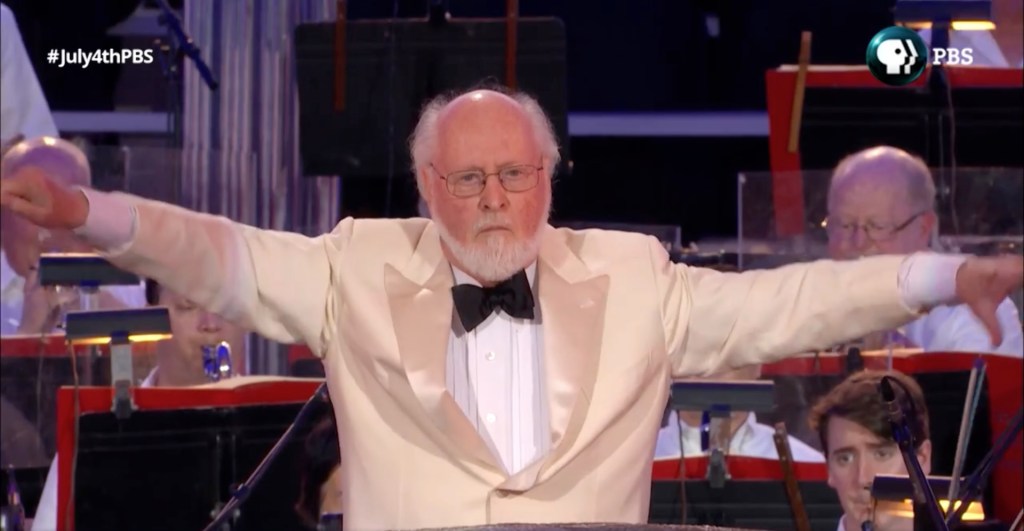
Gustavo Dudamel conducts John Williams’ “Olympic Fanfare and Theme” with the LA Phil and the U.S. Army Band “Pershing’s Own” at the 2014 Walt Disney Concert Hall Gala
John Williams discusses “Olympic Fanfare and Theme” with the Today Show (February 2014)
An excerpt of John Williams conducting “Olympic Fanfare and Theme” with the Berliner Philharmoniker (October 2021)
Bibliography and References
. Burlingame, Jon – Origins of those Olympic themes, TV Update, July 1992
. Chung, Holly – The Most Famous Olympic Theme John Williams DIDN’T Write, Classical California KUSC, August 1, 2024
. Eldridge, Jeff – Olympic Fanfare and Theme, johnwilliams.org (retrieved October 2024)
. Lynn, Jennifer – Philadelphia Orchestra principal trumpet breaks down the Olympic theme, whyy.org, July 30, 2021
. Rogers, Thomas – SCOUTING; Olympic Fanfare, The New York Times, June 13, 1984
Legacy of John Williams Additional References
Andrade, Miguel – 40 Years of Olympic Glory (Article on the history of the Olympic Fanfare)
 The Legacy of John Williams