
Table Of Contents
- Film Details
- Music Credits
- Essential Discography
- In Williams’ Words
- Quotes and Commentary
- Videos
- Bibliography and References

Film Details
Year: 1965
Studio: Warner Bros.
Director/Producer: Frank Sinatra
Executive Producer: Howard W. Koch
Writers: John Twist, Katsuya Susaki (screenplay); Kikumaru Okuda (story)
Main Cast: Frank Sinatra, Tatsuya Mihashi, Takeshi Kato, Hisao Dazai, Clint Walker Tommy Sands, Brad Dexter, Tony Bill, Sammy Jackson
Genre: Drama – War
For synopsis and full cast and crew credits, visit the IMDb page
Music Credits
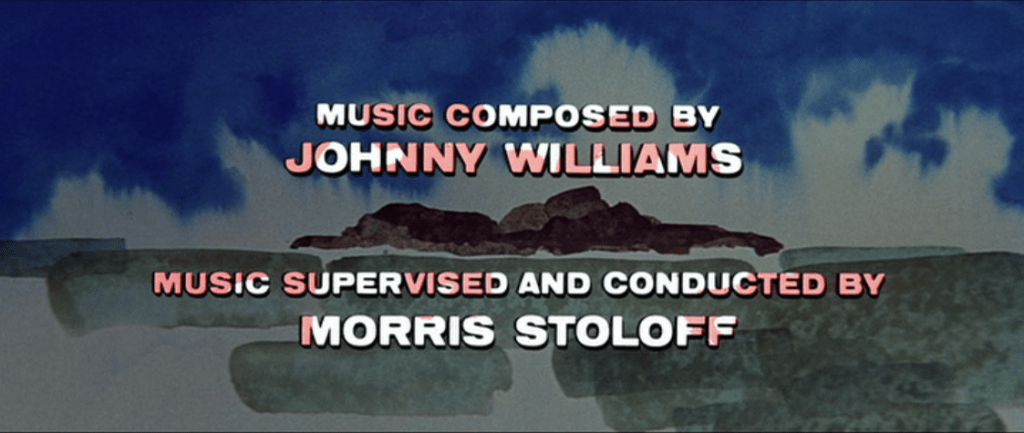
Music Composed by John Williams (credited as “Johnny Williams”)
Conducted by Morris Stoloff
Scoring Mixer: Dan Wallin
Orchestra Manager: Kurt E. Wolff
Orchestrator: Al Woodbury
Recording Studio: Warner Bros. Scoring Stage, Burbank, California
Recording Dates: October 14, 22, 26, November 11, 1965
Essential Discography
Original Soundtrack Album and Single Releases
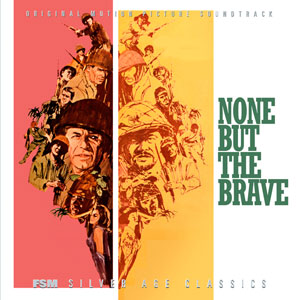
Original Motion Picture Soundtrack – FSM Silver Age Classics – CD (2009)
Film Score Monthly – FSMCD Vol.12 No.12
Produced by Lukas Kendall and Mike Matessino
Music Score Remix by Mike McDonald
Mastered by Doug Schwartz
Liner notes: Jeff Eldridge
Premiere release of the original film soundtrack
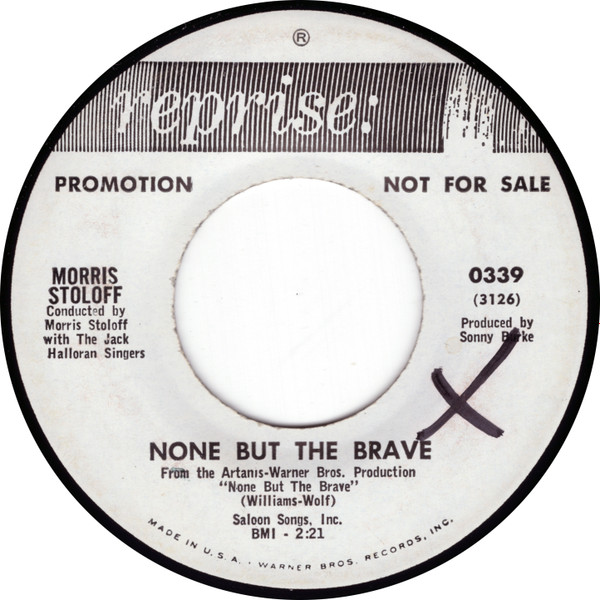
Single – 45rpm vinyl (1965)
Reprise Records – 0339 (Promo)
Conducted by Morris Stoloff with The Jack Halloran Singers
Features the song based on Williams’ main theme with lyrics by Donald Wolf; Side B contains the song “Sylvia” by David Raksin and Paul Francis Webster
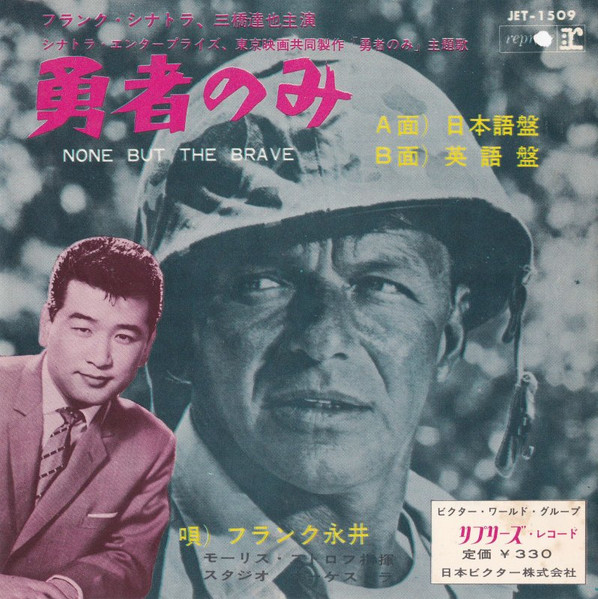
Single – 45rpm vinyl (1965)
Reprise Records – JET-1509 (Japan)
Vocals by Frank Nagai
Orchestra conducted by Morris Stoloff
Features the song based on Williams’ main theme with lyrics by Donald Wolf translated and sung in Japanese on Side A and sung in English on Side B
In Williams’ Words
“Frank Sinatra directed that. He couldn’t have been nicer and more appreciative, and he didn’t come in with any preconceived ideas about the music. Maybe you wouldn’t want him for an enemy, but he is a marvelous friend. He’s a very compelling character; he can give you the impression he is completely alone in the world.” 1
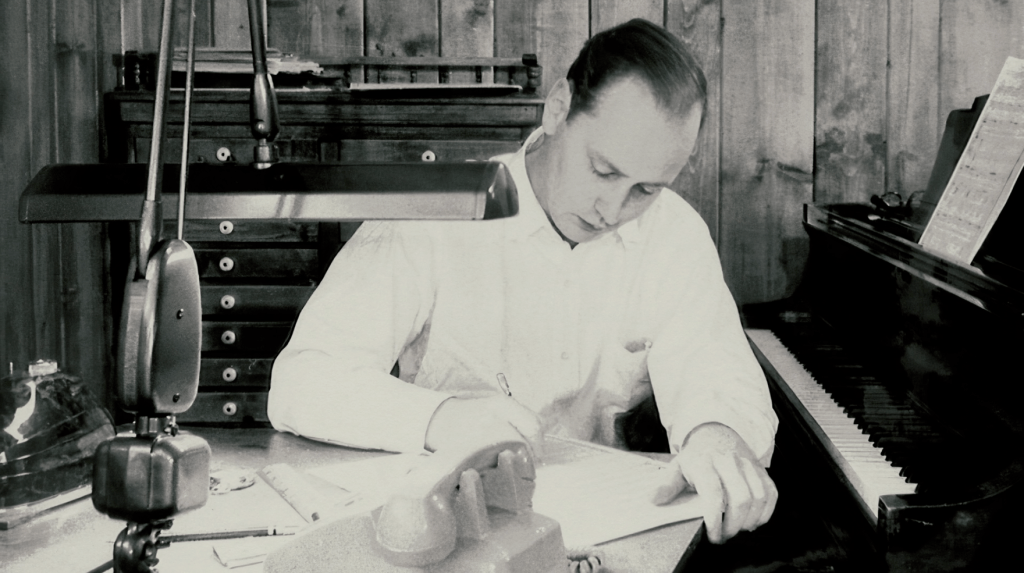
“I’ve known [Frank Sinatra] for quite some time, and I composed the score to the only film he himself personally directed, ‘None But the Brave,’ a Second World War story, a good action film. He couldn’t have been nicer, more considerate, more appreciative. Since then, I’ve seen him from time to time and even conducted for him, most recently at a fund-raising gala for Sloan-Kettering Cancer Center. I know you can hear that he has a reputation for being difficult, but you can also hear what I can say, which is that I never had anything but the most wonderful and gracious connection with him. I think Frank is good with musicians; he appreciates people who do music.”2
Quotes and Commentary
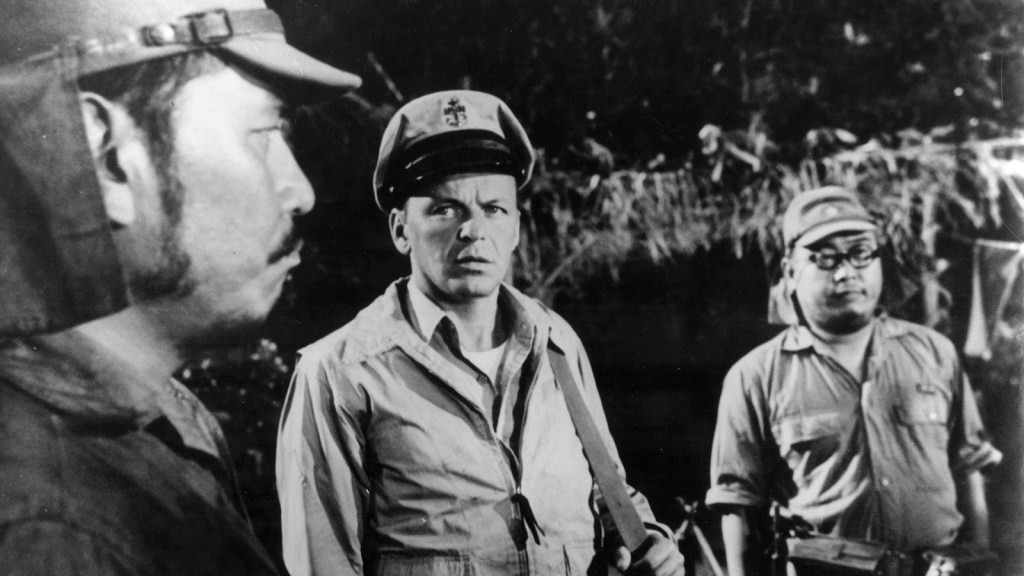
[John] Williams’s score for None But the Brave benefits from his many years working in television, with its tension-filled moments often recalling music he wrote for war stories on [television shows] Alcoa Premiere and Kraft Suspense Theatre, while at the same time anticipating atmospheric and suspense writing from future blockbusters, such as Raiders of the Lost Ark. There are even a few lighter episodes, which echo Williams’s work for Bachelor Father and other comedy scores. While the broad main theme (associated in the film primarily with the Americans) communicates the seriousness of the situation about to unfold in straightforward terms, the bold unison horn fanfare that opens the score and the harmonically complex descending counterline bring to mind contemporaneous scores by Williams’s friend and colleague André Previn, whose “progressive” writing Williams so admired.
For the Americans’ adversaries–and in particular, Lt. Kuroki–Williams provides a gentle Japanese-flavored theme often voiced on solo flute) and later in the film interpolates two authentic Japanese tunes whistled and sung by one of the soldiers. The composer uses a traditional Western orchestra almost exclusively, but through careful use of woodwinds and percussion suggests the sounds of Japanese instruments without reverting to Hollywood musical stereotypes. His work on this film would inspire him to write his flute concerto (written later in the decade and premiered in 1973), which uses a Western instrument to emulate the shakuhachi. a traditional bamboo flute. The film also provided valuable experience he would draw upon over 40 years later for his score to Memoirs of a Geisha (which did utilize koto, shakuhachi and shamisen alongside solo violin and cello and a traditional Western orchestra).
None But the Brave also provided Williams his first opportunity to work with Frank Sinatra, long before the composer would join the crooner as an American musical legend.
The film also reunited Williams with music director Morris Stoloff, the longtime head of the music department at Columbia Pictures. In
1955 Stoloff had hired Williams as a pianist for the studio orchestra, and later employed him as composer, including on 1963’s Diamond Head. After leaving Columbia, Stoloff joined Reprise Records (a label founded by Frank Sinatra in 1961) as music director and in this capacity supervised the scoring of None But the Brave, also conducting the score. (Williams had regularly conducted his own scores starting with his very first work in television; he may have been unavailable for this project due to his work on John Goldfarb during the same timeframe.) 3
-Jeff Eldridge
Videos
Main Titles and Opening from None But The Brave | Warner Bros.
Ship in Sight and Meeting the Enemy from None But The Brave | Warner Bros.
Final Battle from None But The Brave | Warner Bros.
Brett Mitchell performs the “Piano Theme” from None But The Brave (1965)
Bibliography and References
. Dyer, Richard – “Where Is John Williams Coming From?,” The Boston Globe, June 29, 1980
. Dyer, Richard – “The Williams Whirlwind – Dinosaurs, Sinatra Highlight His Busy Last Year at the Pops,” The Boston Globe, May 9, 1993
. Eldridge, Jeff – None But The Brave – Original Motion Picture Soundtrack liner notes, Film Score Monthly, 2009
Footnotes
 The Legacy of John Williams