

Table Of Contents
- Film Details
- Music Credits
- Essential Discography
- Awards and Nominations
- In Williams’ Words
- Quotes and Commentary
- Videos
- Bibliography and References
Film Details
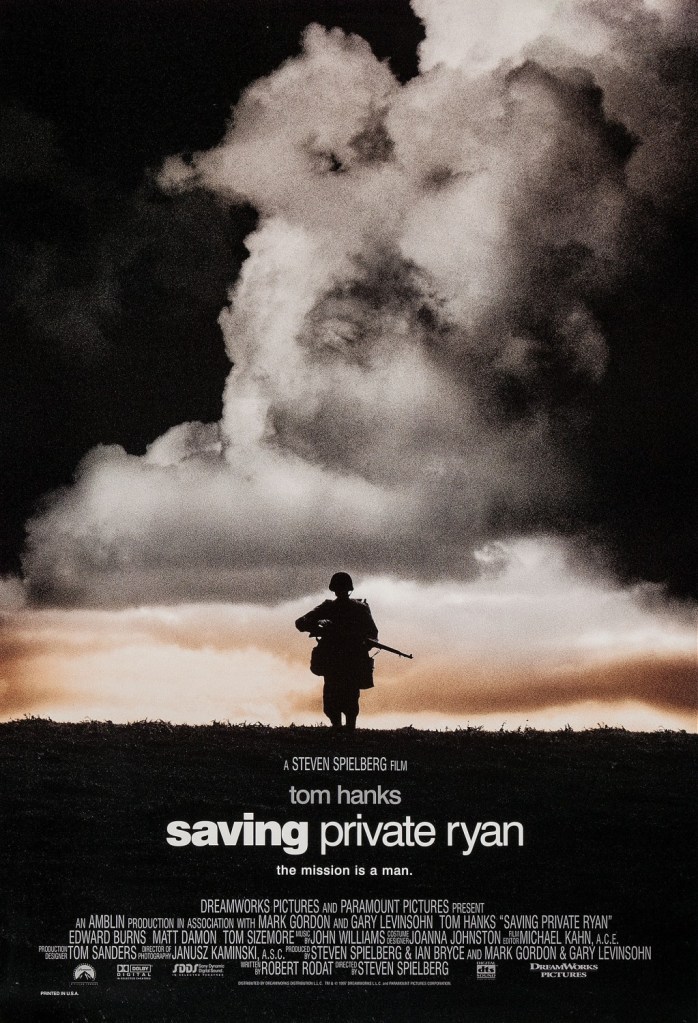
Year: 1998
Studios: DreamWorks Pictures/Paramount Pictures
Director: Steven Spielberg
Producers: Steven Spielberg, Ian Bryce, Mark Gordon, Gary Levinsohn
Writer: Robert Rodat
Main Cast: Tom Hanks, Edward Burns, Matt Damon, Tom Sizemore, Barry Pepper, Adam Goldberg, Giovanni Ribisi, Vin Diesel, Jeremy Davies, Ted Danson, Paul Giamatti
Genre: Drama – War
For synopsis and full cast and crew credits, visit the IMDb page
Music Credits
Music Composed and Conducted by John Williams
Performed by members of the Boston Symphony Orchestra and the Tanglewood Festival Chorus
Trumpet Soloists: Tim Morrison, Thomas Rolfs
French Horn Soloist: Richard Sebring
Music Editor: Kenneth Wannberg
Scoring Mixer: Shawn Murphy
Music Preparation: JoAnn Kane Music Service
Orchestra Personnel Manager: Lynn G. Larson
Scoring Consultant: Sandy DeCrescent
Orchestrator: John Neufeld
Recorded at Symphony Hall, Boston, Massachusetts
Recording Dates: February 21, 22 and 23, 1998
Essential Discography
Original Soundtrack Album and Expanded Reissues

Music from the Original Motion Picture Soundtrack (CD, 1998)
DreamWorks Records – DRMD-50046
Produced by John Williams
Mastered by Patricia Sullivan
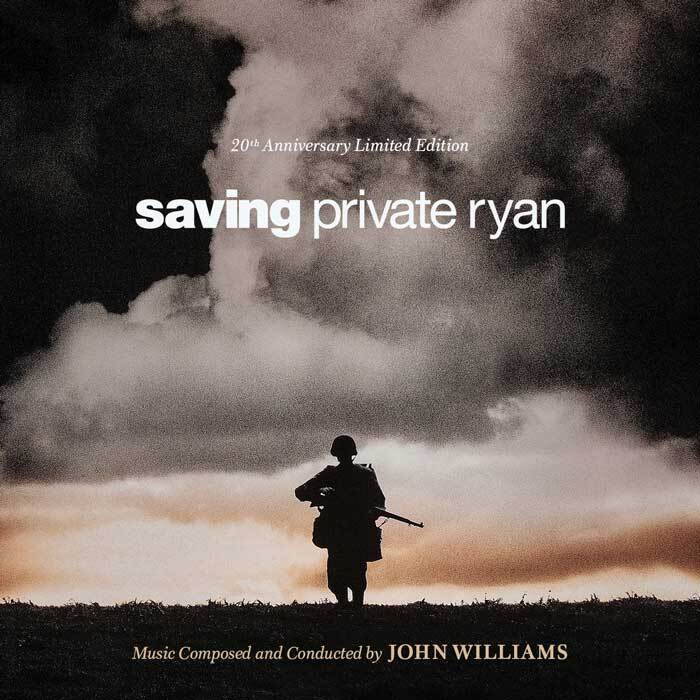
20th Anniversary Limited Edition (2018)
La-La Land Records LLCD 1612 (CD) – LLLLP2005 (vinyl)
Produced by Mike Matessino
Liner Notes: Mike Matessino
Reissue of the 1998 soundtrack album with two bonus tracks
Selected Re-recordings
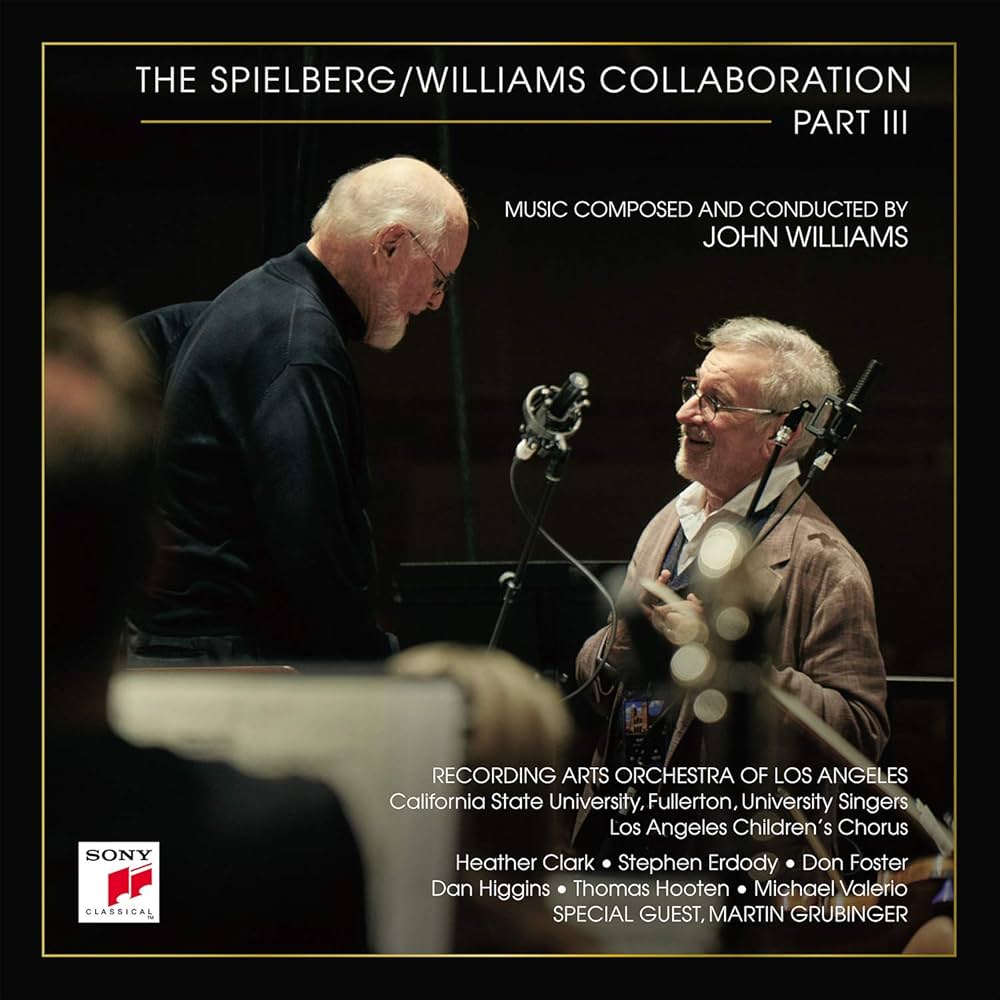
The Spielberg/Williams Collaboration Part III (2017)
Sony Classical – 88985 37458 2 (CD, part of the boxset Steven Spielberg/John Williams: The Ultimate Collection), MOVATM199 (Vinyl)
contains “Hymn To The Fallen” from Saving Private Ryan
Recording Arts Orchestra of Los Angeles, California State University, Fullerton, University Singers, conducted by John Williams

John Williams: A Life In Music (2018, Blu-ray)
Decca – 6738332
contains “Hymn To The Fallen” from Saving Private Ryan
London Symphony Orchestra conducted by Gavin Greenaway
Produced by James Morgan, Juliette Pochin
Awards and Nominations
Academy Awards
Nomination: Best Original Dramatic Score
Grammy Awards
Winner: Best Instrumental Composition Written for a Motion Picture or for Television

In Williams’ Words
“Saving Private Ryan is certainly one of Steven Spielberg’s most powerful films. The accumulative effect of his great photography and the splendid performances contained in the film combine to produce a jolting emotional impact, particularly in the closing moments of the movie.
Preparing the music for this portion of the film presented a particular challenge in that the music needed to be effectively reverent in tone while still being quiet and simple enough so as not to intrude on the private reflections of each viewer. It occurred to me that the music could be vocal, at least to the extent that it featured a choral texture but without relying on a written text that might present a distraction for the audience. I do however feel that the piece can be performed effectively with orchestra alone.
In writing the music, the fallen heroes shown in the film were constantly in my mind and it is to the memory of the real-life heroes portrayed so convincingly in the film that I have the privilege of dedicating this music.” 1
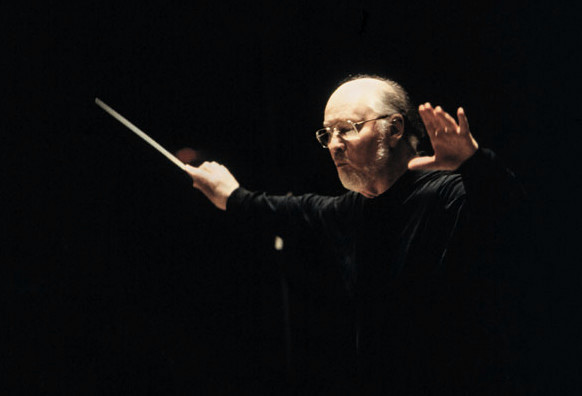
“My first reaction to the film was, and remains, extremely strong. I think it’s one of the most moving films that Steven has done. We intentionally used music sparingly in the film. The battle scenes were done in such a realistic way, with the sounds of the tanks and the guns recreated so accurately. By reserving music for the quieter scenes, it was better able to support the emotional center of the film.” 2
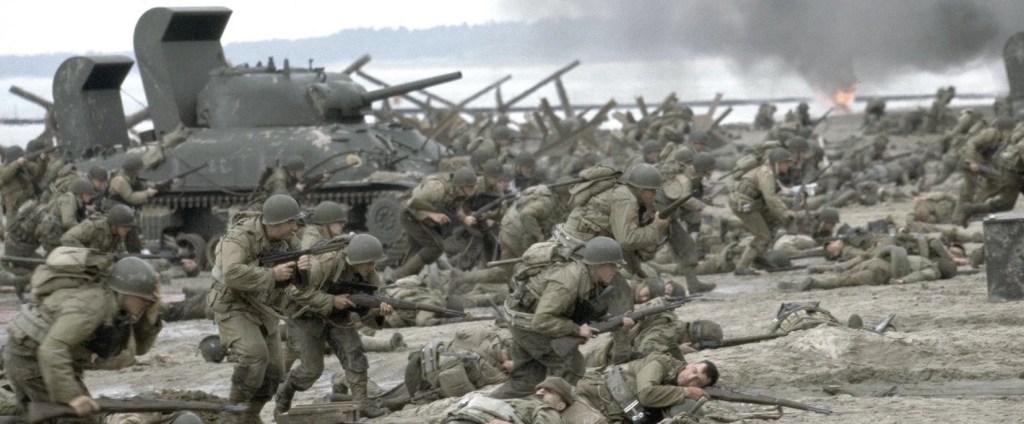
Quotes and Commentary
With Saving Private Ryan, John Williams has written a memorial for all the soldiers who sacrificed themselves on the altar of freedom in the Normandy Invasion on June 6, 1944. Pay particular attention to the cue entitled ‘Hymn to the Fallen,’ which never appears in the main text of the film, only at the end credit roll. It’s a piece of music and a testament to John Williams’ sensitivity and brilliance that, in my opinion, will stand the test of time and honor forever the fallen of this war and possibly all wars.
In all of our 16 collaborations, Saving Private Ryan possibly contains the least amount of score. Restraint was John Williams’ primary objective. He did not want to sentimentalize or create emotion from what already existed in raw form. Saving Private Ryan is furious and relentless, as are all wars, but where there is music, it is exactly where John Williams intends for us the chance to breathe and remember.
As with Schindler’s List, John Williams chose the Boston Symphony Orchestra and the deeply resonant qualities of Symphony Hall to record the score for Saving Private Ryan. I would like to give special mention to Tim Morrison, Thomas Rolfs (trumpets) and Gus Sebring (French horn) for their heartfelt solos, and to Kenny Wannberg, who has been a close collaborator of John Williams and mine from almost the very beginning of my career.3
– Steven Spielberg
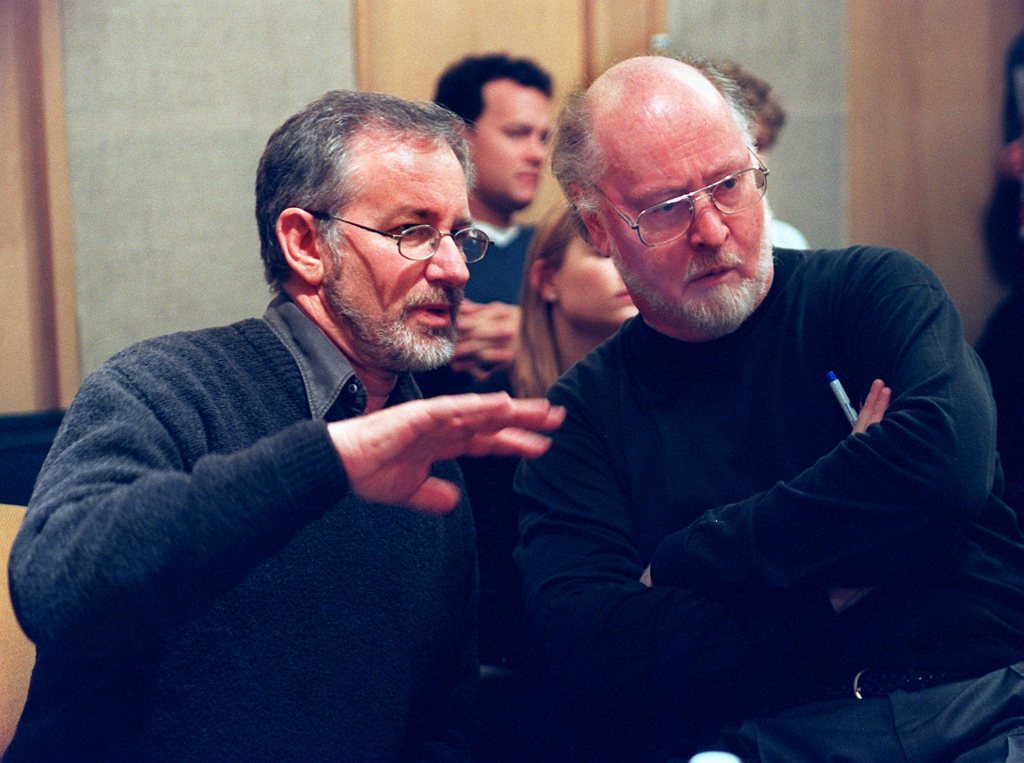
In a process called “spotting,” Williams and Spielberg repeatedly watch a rough cut of a film and decide mutually what scenes should have music. For this film, it was decided to spin the music out in long sequences called cues, some of them eight or nine minutes each. In the closing credits sequence, “Hymn to the Fallen,” a ghostly tattoo of military drums, propels the elegaic music; a Bach-inspired bass line lends solidity and solemnity. There is a piercingly sad duet for trumpets (Timothy Morrison and Thomas Rolfs), who played antiphonally from the balcony, and the horn (Richard Sebring) has a prominent solo part throughout.
The music is profoundly moving – Williams said he was so devastated by the ending of the film that he hardly knew how to proceed. Spielberg, in turn, was so moved the first time he heard the music that he said he fantasized about leaving out the credits so the audience could just sit, listen, and reflect in the darkened theater. “That would be illegal of course,” he added with a grin.
There’s a lot of pressure when the red recording light is on and the clock is ticking at about $100,000 an hour, but the players nailed their solos every time. Williams did everything he could to create a reassuring atmosphere. “Avoid anything grandiose or operatic,” he said, “while still giving more,” and everyone knew exactly what he meant. The session provided shining examples of people knowing their business – and loving what they are doing.
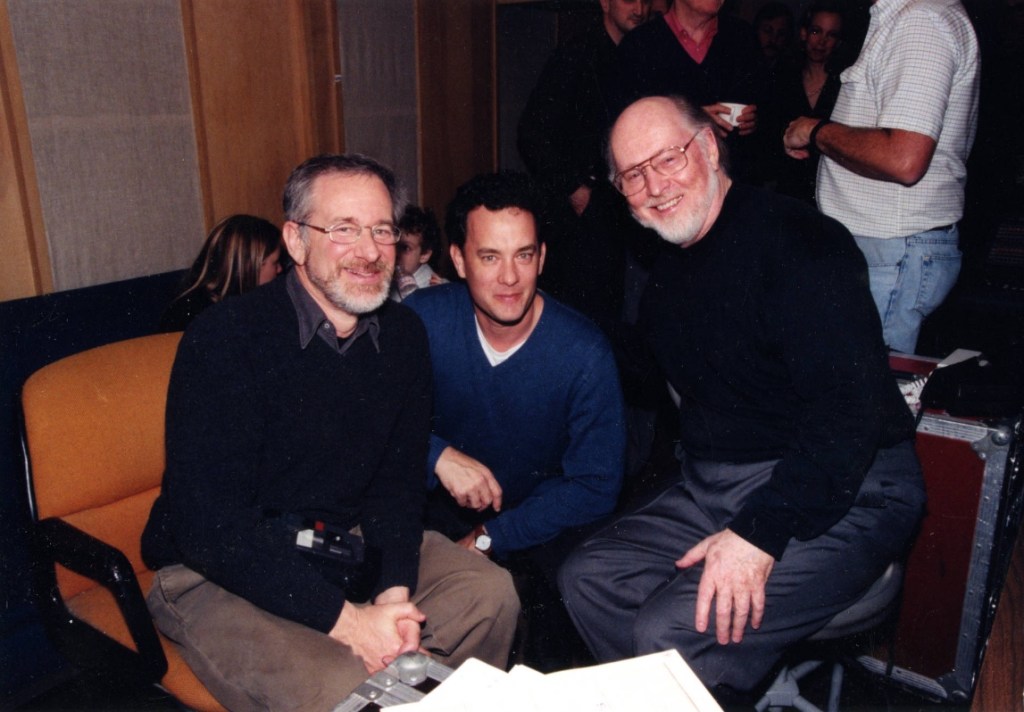
To introduce one episode, Williams asked Hanks to read aloud an eloquent letter of consolation from Abraham Lincoln to a Massachusetts mother who had lost five sons in the Civil War, a letter that figures in the movie.
“It is a pleasure to be performing,” the lanky Lincolnesque actor said, “and in such a hall.” He read the letter so affectingly that the orchestra responded with an appreciative shuffle of its feet.4
– Richard Dyer
The score for Ryan is deliberately paced and designed to neither detract from the film’s realism nor to manipulate its narrative. It is largely reflective in character, a “memorial” in every sense of the word. Once again Williams finds a way to musically encapsulate the overall themes of a film—in this case the camaraderie of soldiers and the longing for home and family when one might meet violent death in a split second-unrestricted to the specific story at hand. The distant riffs of military drums – like echoes of innumerable previous wars – and long expressive lines of elegiac strings and brass compel the listener to ponder the thousands of names etched on far too many monuments across our lands, the loss that war inevitably brings and the scars it leaves on the souls of nations, families and individuals of immeasurable bravery.
Saving Private Ryan is a work of marked contrast to Williams’ few previous World War II scores: None But the Brave (1965, a remarkable early effort that has the distinction of being the only film directed by Frank Sinatra) and Midway (1976), a spectacle featuring two marches in a more traditional heroic approach to the genre. Further contrast can be found among Williams efforts with Spielberg such as the 1979 epic comedy 1941, the engaging score for “The Mission” (a Spielberg-directed episode of his 1985 TV series Amazing Stories involving the crew of a B-17), and the ambitious approach taken for Empire of the Sun (1987), in which the music seems to emanate from the imagination of a boy who witnesses the invasion of Shanghai and then spends his formative years in a Japanese internment camp. Ryan is unlike any of them, a testament to the composer’s versatility as well as to the evolving scope of projects that he and Spielberg have enjoyed. 5
– Mike Matessino
Videos
John Williams on Saving Private Ryan | “Music and Sound” DVD Featurette | Produced and Directed by Laurent Bouzereau | Paramount Home Entertainment | 2004
Steven Spielberg and John Williams during the recording sessions of Saving Private Ryan (raw footage) | Huntley Film Archives | 1998
Steven Spielberg and John Williams comment on “Hymn To The Fallen” from Saving Private Ryan | Sony Classical | 2017
John Williams conducts the Boston Symphony Orchestra and the Tanglewood Festival Chorus in “Hymn To The Fallen” from Saving Private Ryan at Tanglewood (first live performance of the piece) | August 4, 1998
“Omaha Beach” scene from Saving Private Ryan (1998) | DreamWorks Pictures, Paramount Pictures
Bibliography and References
. Bouzereau, Laurent – Music and Sound featurette, Saving Private Ryan – 60th Anniversary Commemorative Edition DVD, DreamWorks Home Entertainment, 2004
. Carney, Beth/Dezeel, Maureen – “Spielberg lured by BSO sound,” The Boston Globe, 19 February 1998
. Dyer, Richard – “Sounds of Spielberg,” The Boston Globe, 24 February 1998
. Matessino, Mike – “Revisiting the Fallen,” Saving Private Ryan – 20th Anniversary Soundtrack, La-La Land Records, 2018
. Oestreich, James R. – “Circling Back To a Time Of Mystery And Wonder,” The New York Times, July 27 1998
Legacy of John Williams Additional References
John Williams and the American Sound, essay by Maurizio Caschetto
Footnotes
- Introductory note to “Hymn To The Fallen” from Saving Private Ryan – John Williams Signature Edition Orchestra, Hal Leonard ↩︎
- Quoted in Matessino, Saving Private Ryan – 20th Anniversary Soundtrack liner notes, 2018 ↩︎
- Saving Private Ryan – Original Motion Picture Soundtrack notes, 1998 ↩︎
- Dyer, The Boston Globe, February 1998 ↩︎
- Matessino, Saving Private Ryan – 20th Anniversary Soundtrack liner notes, 2018 ↩︎
 The Legacy of John Williams