
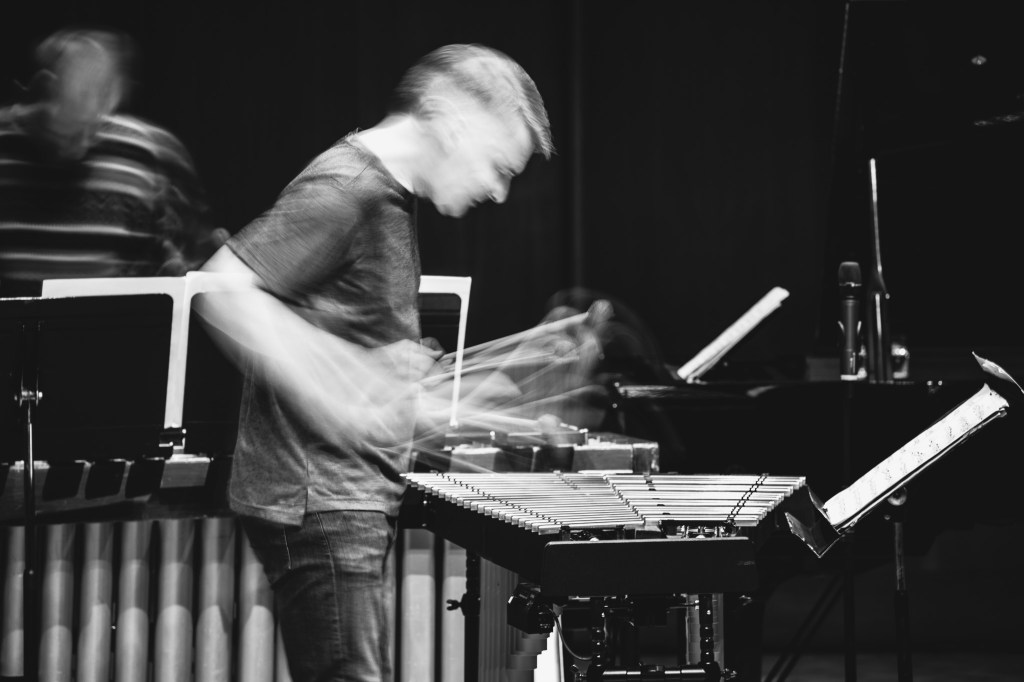
When it comes to the world of percussion in the orchestral canon, very few musicians in the world can bring to the table the same level of expertise, knowledge and mastery as Neil Percy. As Principal Percussion of the London Symphony Orchestra since 1990 and Head of Timpani and Percussion at the Royal Academy of Music since 2000, Neil has been a true force of modern orchestral percussion, devoting his time equally to performing and educating, playing under some of the most revered conductors in the history of classical music and teaching the next generations of percussionists in masterclasses and clinics at the most prestigious music schools and conservatoires worldwide.
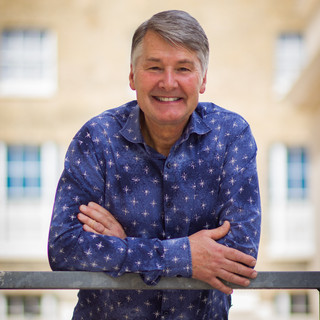
Neil Percy dreamed of being part of the LSO after hearing its mighty sound during the broadcasts of BBC’s now legendary show André Previn’s Music Night, in which the LSO performed works from the classical repertoire under the baton of its then-Principal Conductor. It was Neil’s transfixing moment, which led him to pursue a professional career in the field of music and eventually to become Principal Percussionist of the LSO in 1990, a post he still holds on to this day. In this role, Percy has performed under such conductors as Sir Colin Davis, Pierre Boulez, Steve Reich, François-Xavier Roth, Karl Jenkins, Ravi Shankar, Kent Nagano and Elgar Howarth.
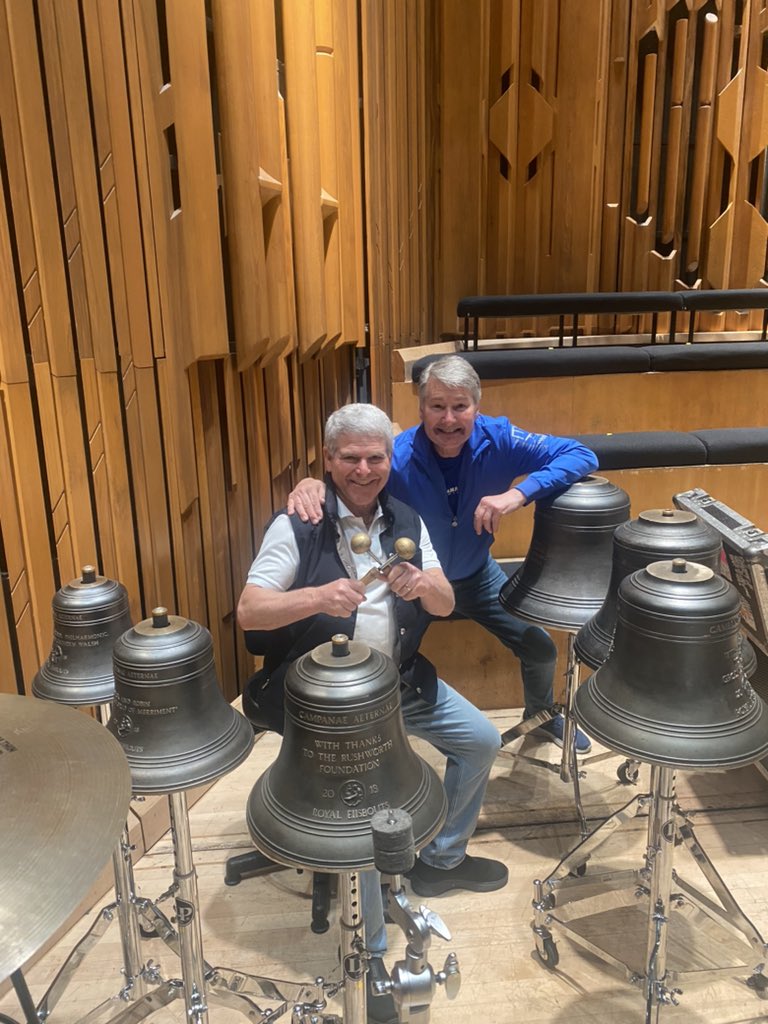
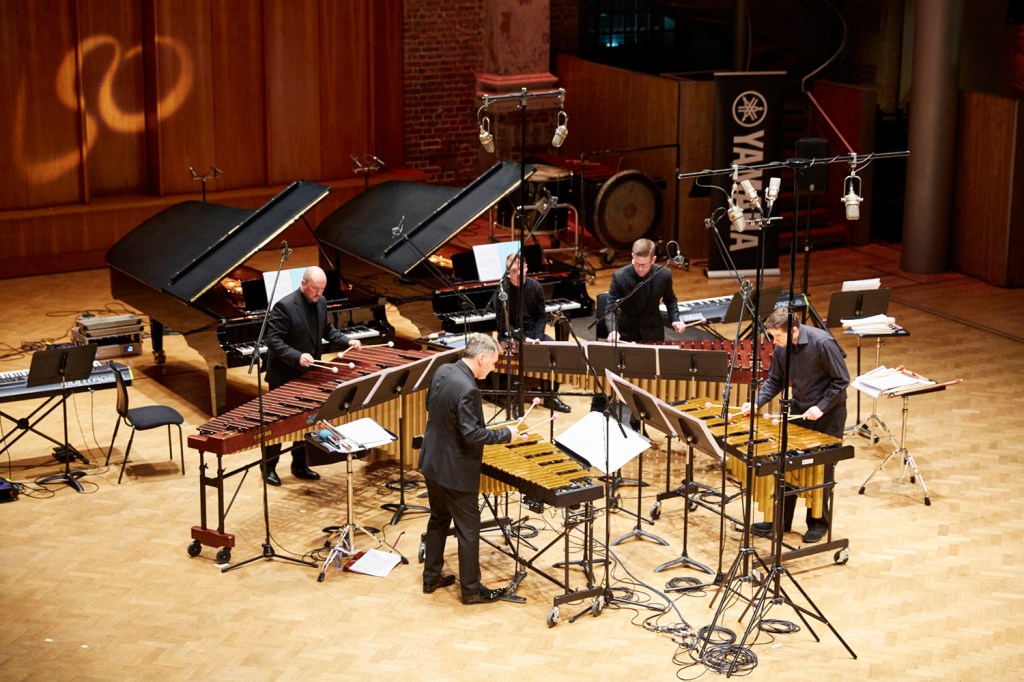
As the Principal Percussion of the LSO, Neil also contributed to highlight music for percussion instruments by playing new works as well as recording some of the cornerstones of the repertoire. The EMI recording of Karl Jenkins’ Quirk concertos, for which Neil played marimba and percussion, was released to wide critical acclaim, as was the Grammy-nominated Bartok Concertos for Deutsche Grammophon, for which Neil played percussion under Pierre Boulez with the London Symphony Orchestra and Berliner Philharmoniker. He also performs regularly with the LSO Percussion Ensemble in chamber music concerts at St. Luke’s; some of their recordings became benchmarks for the repertoire, like the album dedicated to the music of Steve Reich.

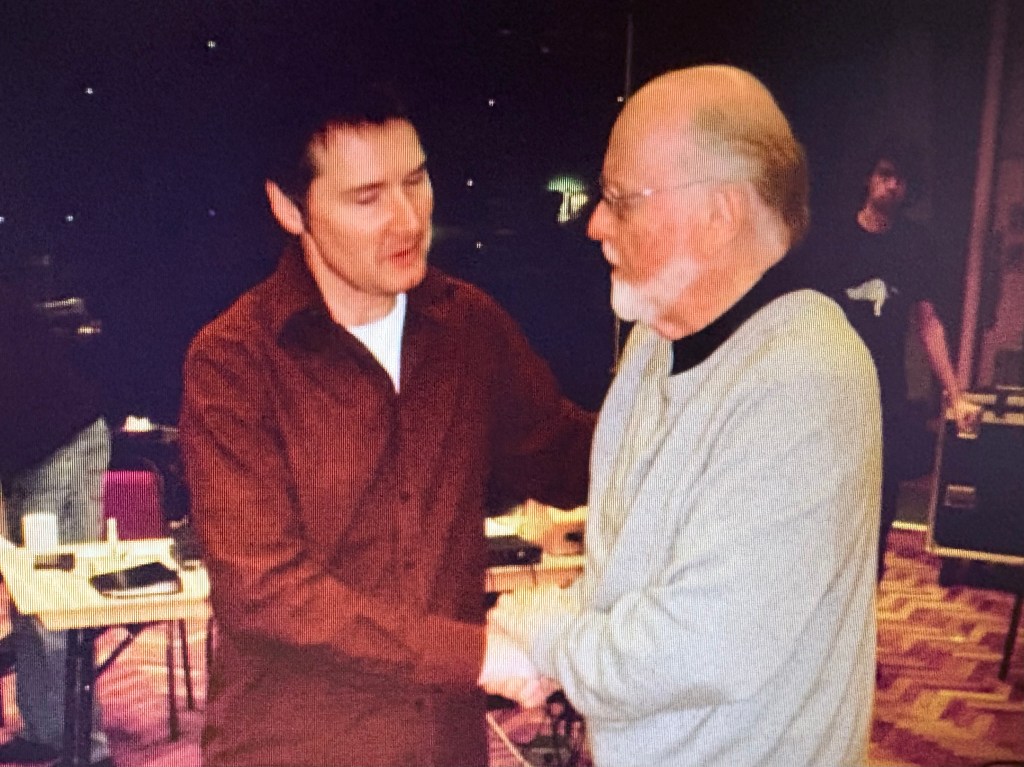
Neil performed in more than 150 film soundtracks, working with such composers as John Williams, James Horner, Patrick Doyle, Trevor Jones and Alexandre Desplat with their music for films such as Harry Potter, Star Wars, Braveheart, Notting Hill, Twilight: New Moon and Unbroken, to name a very few. His experiences with John Williams are among Neil’s most cherished memories of playing with the LSO, as he matured a sincere love for the Maestro’s music over the years. The composer’s special relationship with the orchestra is certainly among the things that made the LSO what it is today.
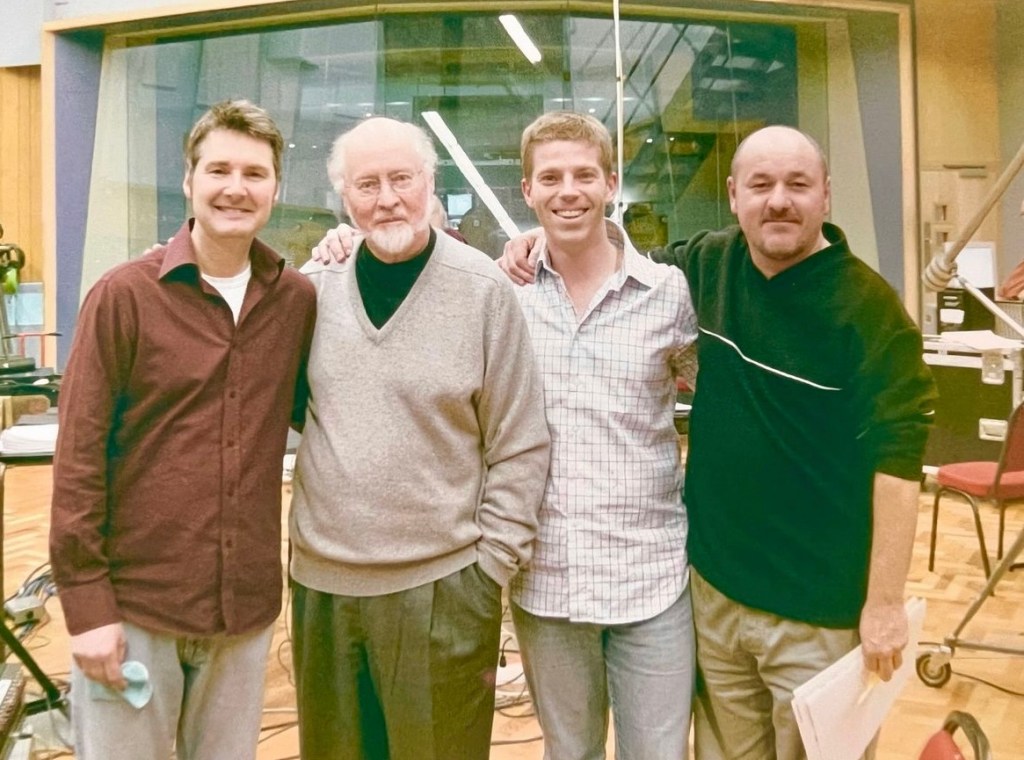
Neil first performed for John Williams in 1996, when the composer returned to London after several years of absence to both perform live concerts and record new albums in studio. Williams conducted two concerts of his film music, one at the Royal Academy of Music with the resident’s orchestra on June 21st, and the second with the London Symphony Orchestra at the Barbican Centre on June 26th. During the same week, Williams went to Abbey Road to record two albums with the LSO for Sony Classical, The Hollywood Sound (a collection of themes and suites from Academy Award-winning film scores) and a disc featuring his own Bassoon Concerto The Five Sacred Trees plus works by Toru Takemitsu, Alan Hovhaness and Tobias Picker. It was an exciting and long anticipated reunion between the composer/conductor and one of his favorite orchestras in the world, which at the time still had a handful of players who performed in the first Star Wars score in 1977, including Maurice Murphy (Principal Trumpet), Eric Crees (2nd Principal Trombone), and Kurthans Goedicke (Timpani).
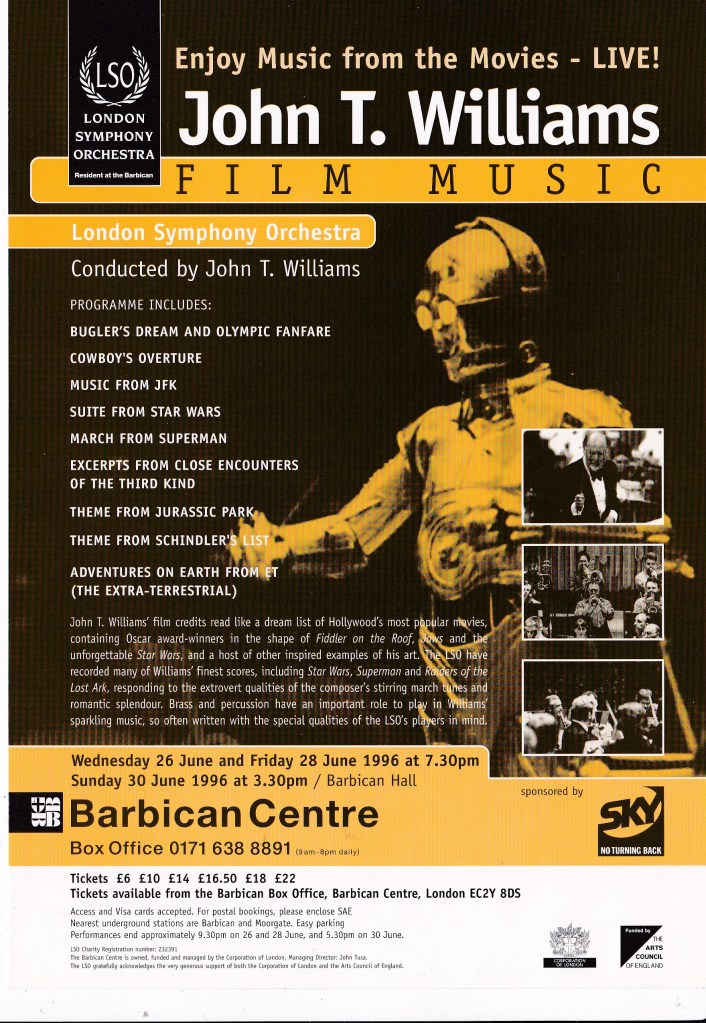
That period was followed by another burst of collaboration between Williams and the LSO. The composer first came back in London in March 1998 to record the album Gershwin Fantasy for Sony Classical with violin virtuoso Joshua Bell; then Williams returned in June of the same year for a series of concerts with the LSO at the Barbican, this time featuring two different programs and also spotlighting his music for the concert stage. It was the hors d’oeuvre for the moment everyone was waiting for in February 1999, with the recording sessions for the anticipated first episode of the Star Wars prequel trilogy, The Phantom Menace. Williams reunited with the LSO at Abbey Road to record his impressively ambitious 2-hour score for George Lucas’ film, with cues also featuring a large mixed choir. “It was a very special time,” reminisces Neil Percy, who like all of his colleagues in the orchestra felt a buzz in the air during those recording sessions.
The collaboration between John Williams and the LSO continued with the following Star Wars prequels, Attack of the Clones (2002) and Revenge of the Sith (2005), both of which presents complex action music for an extended percussion section—Percy remembers being challenged especially by some of the music for the chase across the city in Episode II. In between the three Star Wars prequel scores, Neil Percy performed also on Williams’ first two Harry Potter soundtracks recorded in London—Harry Potter and the Philosopher’s Stone (2001) was recorded by an orchestra of some of London’s finest musicians contracted by Isobel Griffiths, while Chamber of Secrets (2002) was performed by the LSO conducted by William Ross.
In all these occasions, Neil Percy was fascinated by the composer’s gentle demeanor on the podium and his absolute sense of command of the orchestra as he synced his music to the action on screen, while also being impressed by the craftsmanship of his percussion writing. “There are very few who writes so beautifully for all the instruments,” comments Neil during our interview. “That takes skill, it takes a lot of work, it takes a lot of study and seeking out the knowledge.” This quality becomes even more pronounced when Williams works with the LSO, as his often music is tailored to the specific character of the individual players.
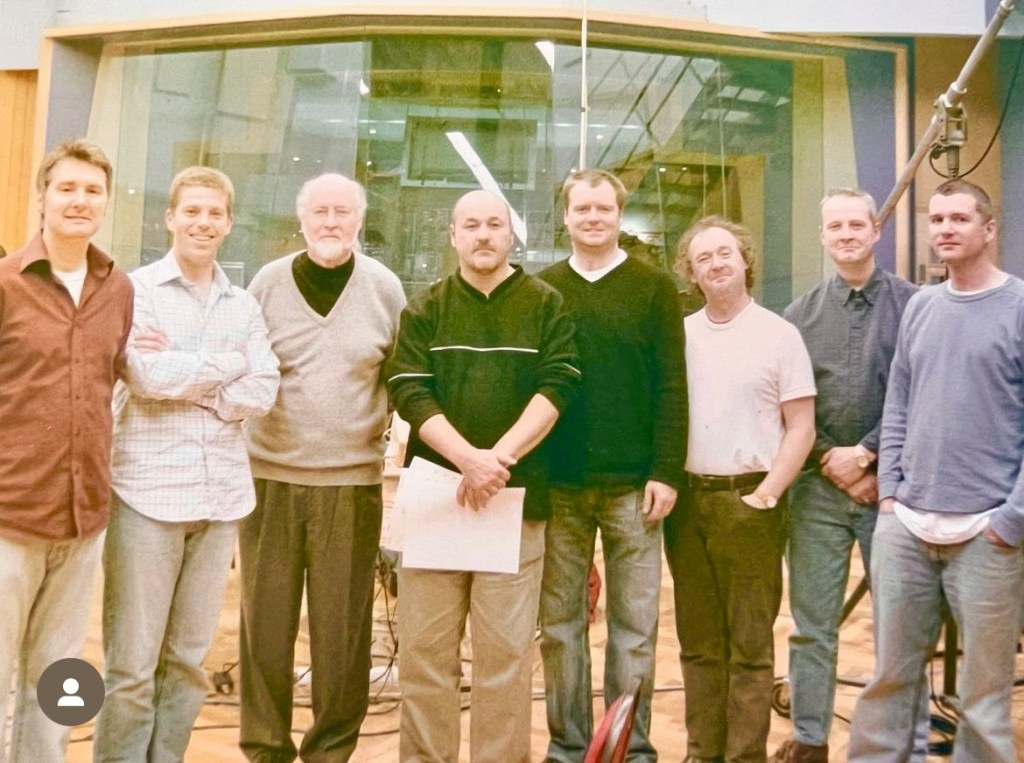
In addition to his work as a LSO member, Neil Percy has performed in many studio recordings for major jazz and pop artists. He also continues to work as an educator and clinician, appearing in masterclasses and lectures at leading conservatoires and percussion events in the UK, Europe, USA and Asia, and has coached many of the world’s leading youth orchestras, including the Pacific Music Festival orchestra and the National Youth Orchestra of Great Britain.
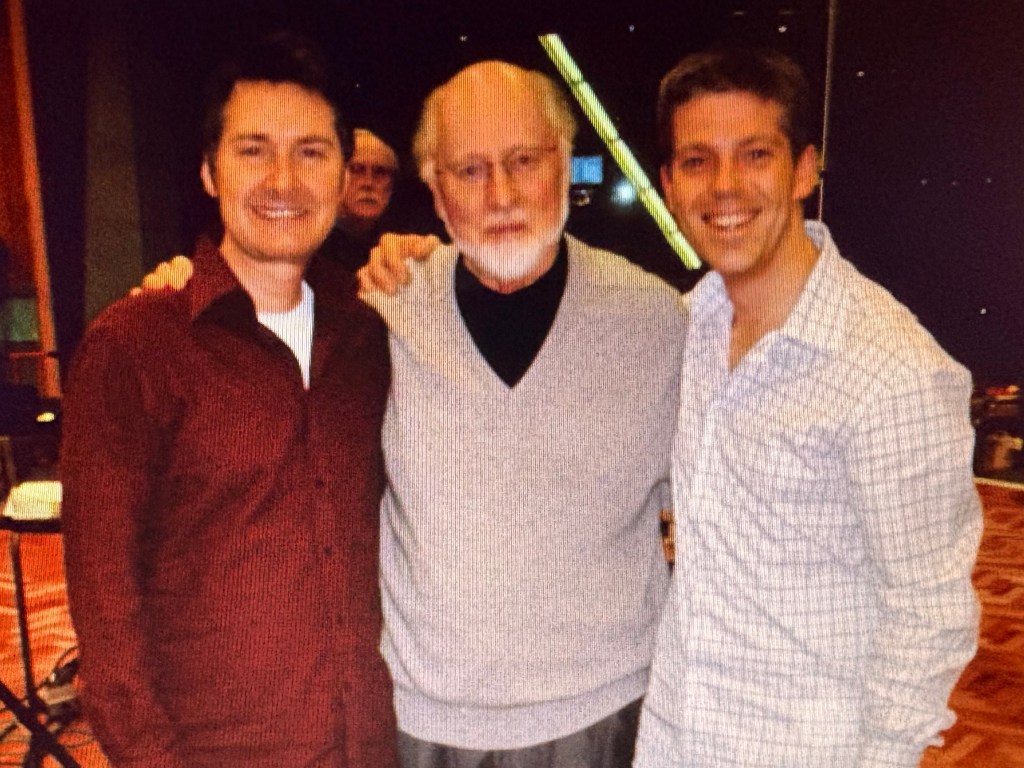
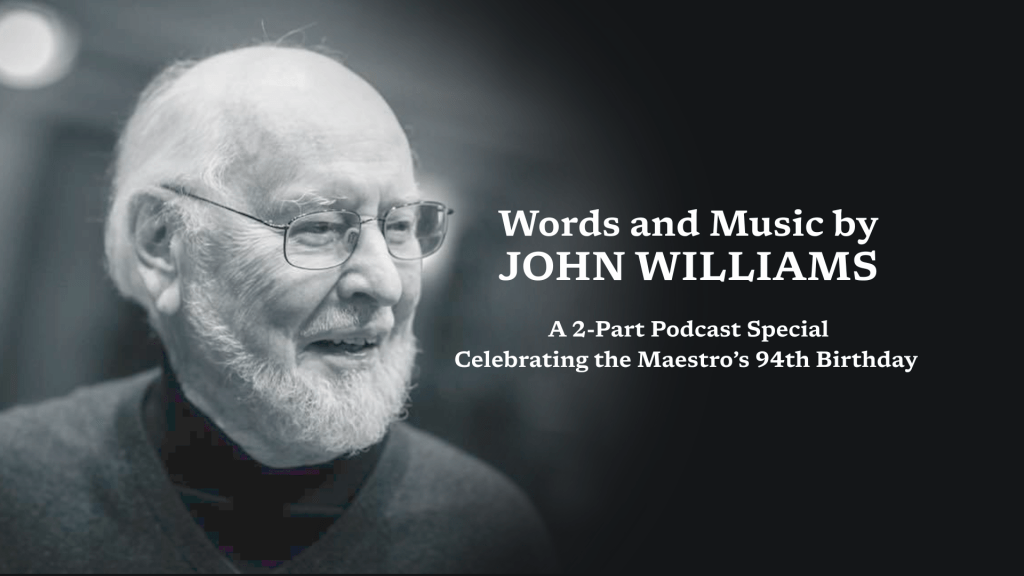
In this conversation, Neil Percy sits down with The Legacy of John Williams to talk about his career in music, the fulfilling of his dream of being part of the LSO and his many memories of playing for John Williams on such film scores as Star Wars and Harry Potter, and also on several studio recordings conducted by the Maestro, offering his unique perspective as a percussion player.
List of musical excerpts featured in the episode (music by John Williams except where noted)
. Sergei Rachmaninov, Symphonic Dances, op.45 – I. Non Allegro (excerpt), London Symphony Orchestra conducted by André Previn (1976)
. George Gershwin, An American in Paris, London Symphony Orchestra conducted by André Previn (1976)
. “Rescue of the Princess” from Star Wars (1977)
. Igor Stravinsky, Le sacre du printemps, Part 1, London Symphony Orchestra conducted by Claudio Abbado (1976)
. “The Droid Invasion” from Star Wars: Episode I – The Phantom Menace (1999)
. “Into The Trap” from Return of the Jedi (1983)
. Maurice Jarre, “Overture” from Lawrence of Arabia (1962), from the album The Hollywood Sound (1997), London Symphony Orchestra conducted by John Williams
. Bernard Herrmann, “Mr. Scratch” from The Devil and Daniel Webster (1941), from the album The Hollywood Sound (1997), London Symphony Orchestra conducted by John Williams
. “Zam The Assassin and The Chase Through Coruscant” from Star Wars: Episode II – Attack of the Clones (2002)
. “The Droid Invasion” from Star Wars: Episode I – The Phantom Menace (1999)
. Summon The Heroes (live recording, 1996), London Symphony Orchestra conducted by John Williams
. “The Chess Game” from Harry Potter and the Philosopher’s Stone (2001)
. “Main Title” from Star Wars (1977), from the album The Hollywood Sound (1997), London Symphony Orchestra conducted by John Williams
 The Legacy of John Williams