

I’ve been a John Williams fan for as long as I can remember. I’ve told this story to friends and fellow Williams-related acquaintances many times… Late 1970’s, on a Sunday afternoon, I was sitting on the living room floor waiting for the afternoon film on the television. This was to be some sci-fi film; I don’t even remember which one… I was 5 or 6 years old and the television show always started with the host presenting the afternoon’s movie and this one time he was set to a starry background and a brassy fanfare. And I turned back to my mom and told her “Hey mom, that’s the music from Star Wars!” Fast forward a couple of years, and my first Star Wars film, and yes, that was the music from Star Wars. On that Sunday afternoon, one of earliest memories, I don’t know how, but I knew that was the music from Star Wars.
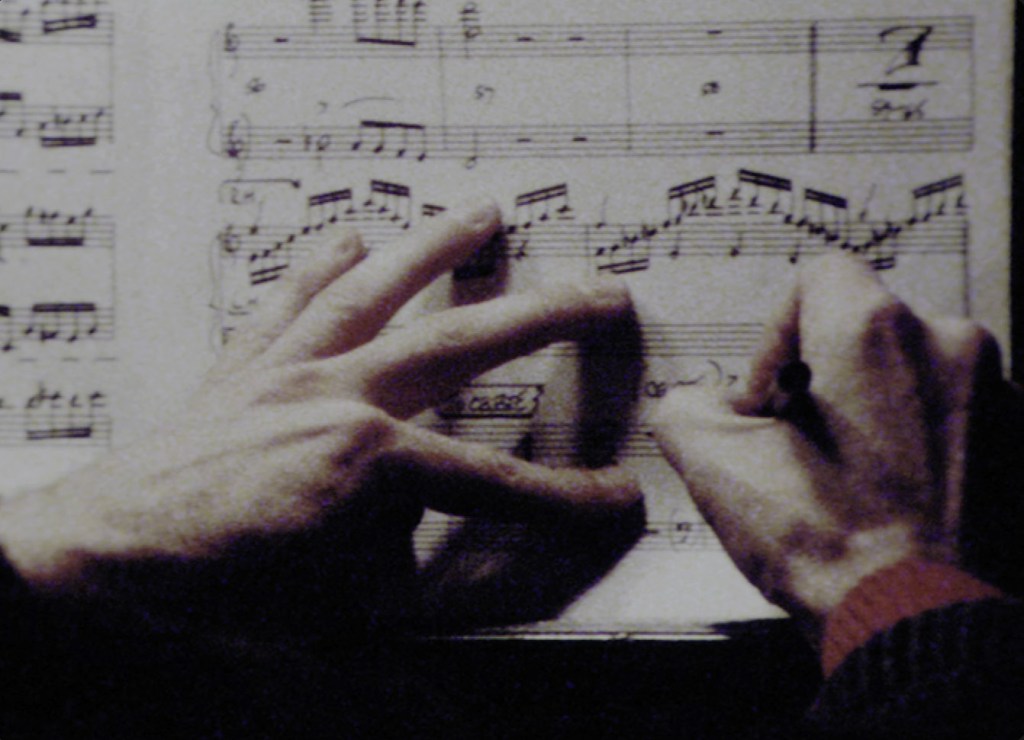
It took me quite a while to put together the music and a name and a man, but since that first recollection, the music by John Williams, either from any film score or for the Olympics, became the soundtrack to my life. By the mid to late 80’s, when I started connecting dots, it was a lifetime revelation to understand that all the music I loved came basically from the mind of one single man. John Williams became my hero, to some extent an obsession. Years ago, a very, very dear friend went as far as putting things like this: “your lifetime love is not a woman, not even your children, it is the music of John Williams.”[1] From that point on, I’ve been busy researching everything Williams. Back in the late 80’s and early 90’s, before the internet, information was difficult to come by, but with the Internet, I was in heaven, finding new music, new information by the day. And I still am to this day, almost 40 years later.
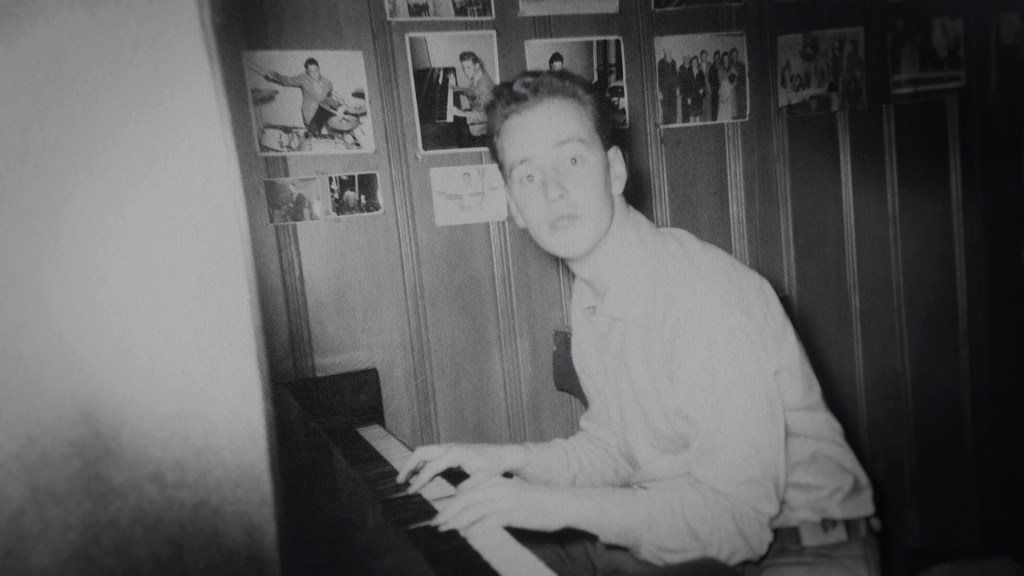
With that in mind, what were my expectations of the new documentary by Laurent Bouzereau, now available on Disney +? Well, none, actually.
I know what would have been my dream documentary. I would have dreamed of one more focused on his concert works, with more interviews with fellow musicians, less actors, less directors and producers… Maybe a bit more of him at his studio talking about this or that, either about music or philosophy. Or just about his love for trees. Would that have made sense? Would that draw the interest of die-hard Williams fans? Would that still be of interest to the casual fan who know just the greatest hits? Each one will have a specific answer to that question. But did I really expected that it would be that dream documentary of mine? Of course not!
So, I arrive at the Music by John Williams, this wonderful documentary and tribute to John Williams and his life work by director Laurent Bouzereau, with no real expectations. I just let it flow through me and accepted what I was offered. And what I felt I was offered was the closest many of us will ever get to have a private conversation with the Maestro. I might have not been there in person, but Bouzereau’s sensibility enables to create an intimate environment, making me feel, at worst, a fly on the wall. At best, I was there by proxy. It’s just inconceivable that at a 100-minute-long documentary all the bases would be touched. But again, the director did an amazing job in hitting most of the relevant moments in Williams career and in the process, getting him to candidly talk about things he never really went through, at least publicly. Everyone knows of Barbara Ruick’s untimely passing and how it prompted Williams to write his first Violin Concerto. We all read about the crisis with the Boston Pops in 1984, but mostly by other parties than Williams himself[2]. Now we had him talking openly about these events, some of them life shaking and shaping, the kind of things that so often one keeps for himself. If for nothing else, it offered us a new perspective on Williams’s life. His own perspective.
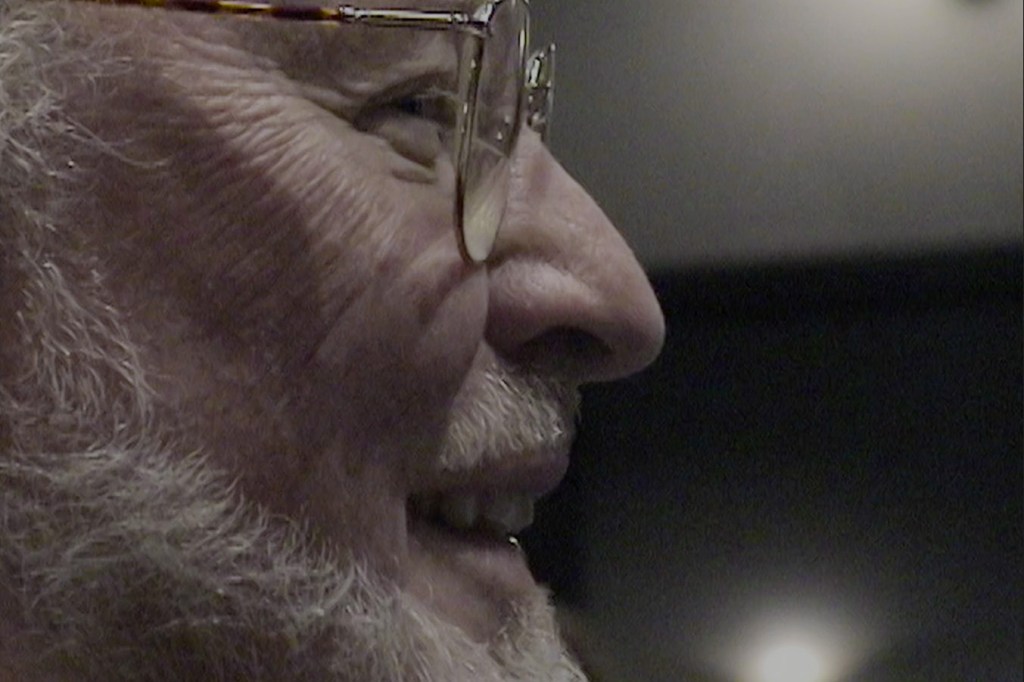
Some will say that they learned nothing new… I beg to differ. We learn something new every day, I certainly do. One just must remain open to it. And while, after almost 4 decades of research it is difficult to stumble on new information, the documentary did provide some tidbits that I’m betting close no one knew. Certainly, there were a few bits that I learned from watching it. And if for nothing new, you get a more intimate view of Williams life, both private and professional. All the personal family pictures make the untouchable hero of us a man again. A man who had all the pains we all endure of both loss and struggle with difficult times. And while, as Luciano Pavarotti once said, “the man is a genius,” he is still a man, who needs to write down all the dots on paper for them to become the music we all love. And that, again, I feel is one of the gifts we have been offered with Music by John Williams.
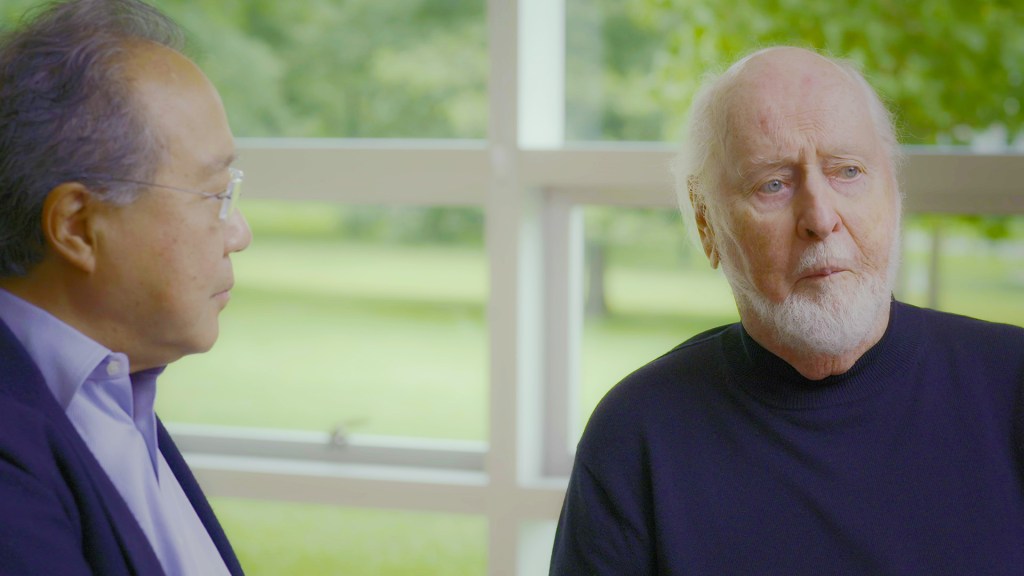
The array of guest is staggering, but with some rather interesting omissions. If one had his expectations on check, the target public of this documentary needed the well know directors and actors to bring more viewers on board. Yet, Harrison Ford or Tom Hanks are nowhere to be heard. On the directors front it would have been nice to have Oliver Stone (who provided a wonderful interview on their collaborations for the recent 20-CD box The Legend of John Williams) or maybe Mark Rydell. Instead, we get Chris Martin of Coldplay (until recently, the only Christopher Martin I knew was the 1st trumpet of the New York Philharmonic) and Seth Macfarlane. The later pops up a couple of times, but there is an obvious connection: not only Macfarlane is an excellent singer of standards, but he also played at the Hollywood Bowl under Williams. The former, in the context of the documentary, is the fan, one of us so to speak, who just happens to be a rather famous singer (or so I’m told, can’t say I ever listened to Coldplay).
Would I wish for more time about his concert works or some neglected film work? Sure… But the presence of his concert music was secured and is probably in proportion, if not in quantity of hours of written music, certainly in the impact it has had on the public[3]. As for obscure gems, how cool it is that Star Wars film editor Paul Hirsch mentions that Williams scored three films in 1977, one of which I bet most regular viewers never heard of, the thriller Black Sunday (awesome score to a meh film)? And Steven Spielberg mentioning Images (with some music heard over it) as the temp track for Jaws? This will likely mean little to the seasoned fan, but maybe widen the knowledge (and interest) of the more casual listener. And that’s just great! The only way to address John Williams’ own worries about the future of orchestral music is to widen the fan base for the sound that only an orchestra can provide. And for that alone, Laurent Bouzereau is to be commended.
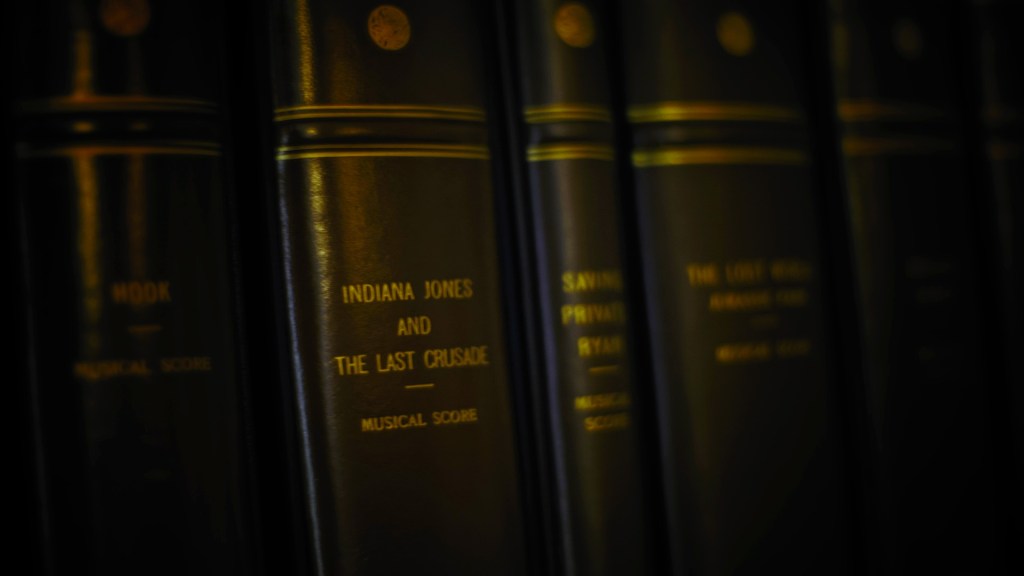
All in all, one should acknowledge what the documentary really is and what is its aim: to present an overview of John Williams’s long career, while paying tribute to it and all is achievements, many of which benefited his many fellow practitioners. Its main target it’s not the highly educated admirer, knowledgeable in all things Williams, but the more regular fan, who knows the main tunes from the famous films. Those will be introduced to much more than just some memorable themes. And maybe start caring more for the sheer power of orchestral music (and from there, get introduced to a 400-year-old tradition of orchestral music). What Laurent Bouzereau tries, and dare I say, achieves is what John Williams has been doing for many years. Music by John Williams reaches for the common followers (personified during the documentary by Chris Martin) and does everything to bring them onboard of this amazing tradition.
And during those 100 minutes, we are remembered how that journey through music started for many of us, and it all started with the music by John Williams.
[1] I’m not naming names, but you know who you are.
[2] Back in the day, Williams referred to the incident as union issues that led to the unhappiness of the musicians which then led to the creative differences between orchestra and conductor. Almost a decade later, in an interview with Yann Merluzeau of the now defunct John Williams Society, the composer described the whole thing as “trade agreement issues, you could almost say union agreement issues.” (1993, “Cantina Band#16, Official Journal of the John Williams Society”, reprinted on Soundtrack Magazine No. 47).
[3] And for a more in depth overview of Williams’ concerti, one has Jim Svejda 4-hour long interview from 2013, broadcast on KUSC.

 The Legacy of John Williams