

Hosted by Maurizio Caschetto and Tim Burden
Edited and Produced by Maurizio Caschetto
LISTEN TO THE EPISODE
If you would’ve asked any fan and admirer of John Williams what was one of their most ardent wishes up until only a few years ago, there was a good chance that the answer would be “to read a biography on the life and work of the Maestro,” most likely followed by “to see a documentary on the life and career of John Williams.”
In 2025, John Williams’ fans are finally getting their wishes fulfilled with John Williams: A Composer’s Life, the first major biography in English language on the legendary American composer, authored by Los Angeles-based writer Tim Greiving and published by Oxford University Press (release date: September 2, 2025). The 640-page book is an engaging overview on the life and career of the renowned composer, a comprehensive retrospective of a musician who defined the sound of movies for at least two generations of filmgoers and whose body of work is among the most well known of the modern era, going beyond its mere function as musical accompaniment to a film and becoming a revered object in itself. Yet the man has remained very private all throughout his career and while he became a beloved public figure, he kept his personal life very far from the spotlight. Williams often described his routine as “a monk’s life” and said it wasn’t a particularly interesting one, so he always declined requests for doing authorized biographies and documentaries, feeling that there was no need to tell his life’s story to the general public. “My work is what I am,” said the composer.

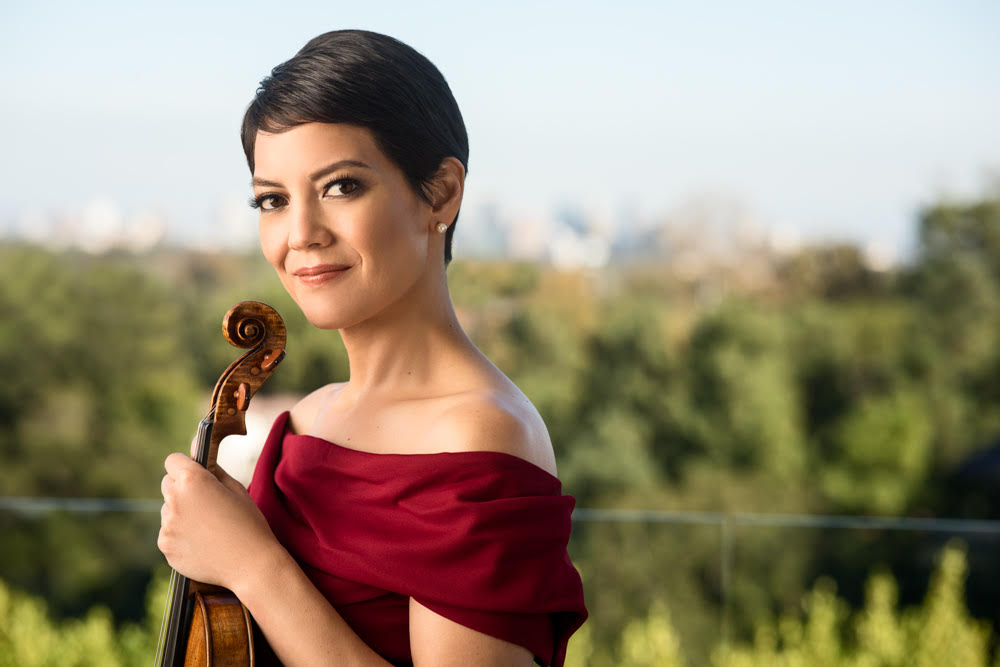
John Williams: A Composer’s Life arrives only a few months after the release of Music By John Williams, the critically acclaimed film documentary directed by Laurent Bouzereau and produced among others by Williams’ longtime friend and collaborator Steven Spielberg. The two projects ran on completely separate tracks and it’s just a coincidence that they got made almost at the same time, but the timing perhaps says a lot about the feeling of urgency and need that was there to get both of these ventures made. Williams turned 90 in 2022 and a whole slew of celebratory events for the milestone anniversary have happened since then, with the composer going on tour for international concerts in Vienna, Tokyo, Milan and also keeping busy with many concert engagements on the US soil as well. Williams also slowed down his activity as a film composer (only two movies between 2020 and 2024) and focused primarily on concert music such as the Violin Concerto for Anne-Sophie Mutter, composed during the quarantine of the Covid pandemic in 2020. Finding himself with more time available than ever and perhaps also influenced by the inevitable retrospective look at his artistic life stirred by such a round anniversary, Williams acquiesced to cooperate on the documentary film by Laurent Bouzereau and, after a series of twists and turns, also agreed to be involved with the written biography, granting a series of sit-down talks with author Tim Greiving, an arts journalist often covering film music for The Los Angeles Times, The Washington Post, National Public Radio and other prestigious outlets, but first and foremost a lifelong devoted, unapologetically enthusiastic fan of the Maestro’s music.
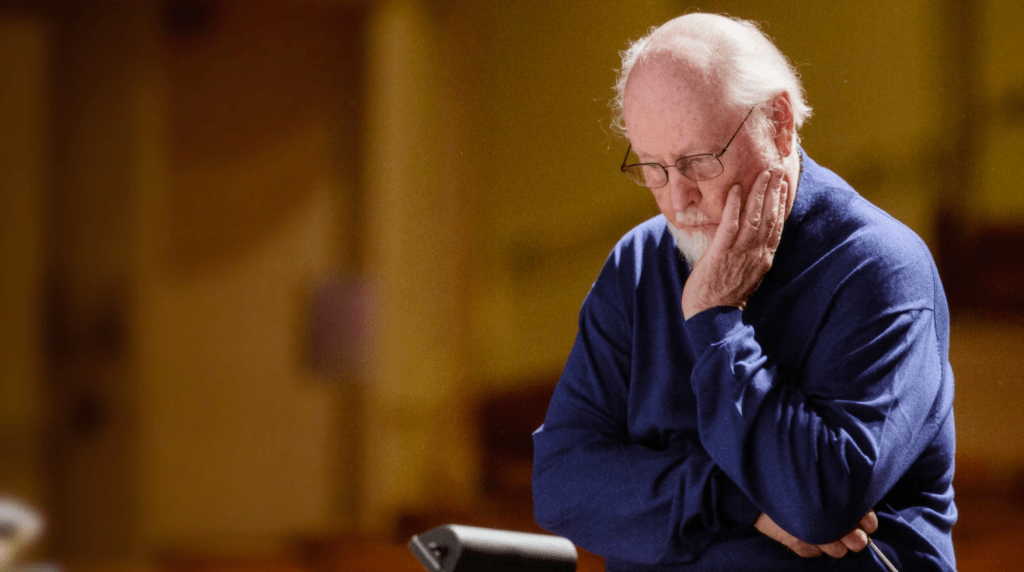
The result is the first biography on John Williams, in which the composer participated to grant an accurate account of his life and gave his blessing… albeit the book not being officially endorsed or authorised. This unique situation gave Tim Greiving a very special role: he became the de facto biographer of the composer, but at the same time he wasn’t burdened by the fact that his work had to go through an internal review and approval process, or that every word would’ve been scanned, reviewed or redacted by third parties. The privileged access to Williams, coupled with the particular freedom he had in shaping and structuring the book, became possibly the best scenario Greiving could dream of—he could ask the composer for specific memories and got his definitive answer on many aspects of his life and career; he accessed Williams’ huge archive of personal photos; he talked with family members, close friends and collaborators who otherwise would have been much more difficult to access, including director Steven Spielberg; at the same time Greiving could also give the book the narrative structure he felt was the best to tell the Maestro’s life story, without being forced to boundaries except the ones he imposed to himself. Biography is a very slippery literary genre (and composer’s biographies are a tricky sub-genre in itself), as they’re quite often filled with speculation, personal opinions passed as historical facts and an overall tendency to aggrandize the subject, either to celebrate them or destroy them… But one never gets this feeling while reading Greiving’s account of John Williams’ life. The end result is an imposing, scholarly biographical account of one of the greatest musicians of the modern era that reads like the fascinating tale… despite the complete absence of harrowing scandals, dark secrets or discouraging pits of human fallacy.

This is perhaps the most intriguing aspect of the book and the determining question to evaluate its potential success: Is the life’s story of this self-effacing, unpretentious and genuinely humble man completely devoted to his craft, but devoid of the typical juicy and shady details that biographies often reveal to bristle readers, still an interesting and engaging read? The answer is a resounding YES. The book is not the umpteenth and carefully redacted story of fame and success of a Hollywood celebrity interspersed with occasional snapshots of personal life; it isn’t the rhetorical underdog tale of an individual who had to fight opposing forces to reach the top of the hill; and despite written by a self-professed fan, it is not either a flattering fable aimed at adulators—John Williams: A Composer’s Life is the story of a truly normal, decent and dignified person, certainly graced with an impressive natural talent, but one who worked on his craft with sweat and blood since youth in order to achieve an ideal of excellence and uncompromised integrity. It’s also the tale of a man in love with a woman who was key to his balance and whose sudden tragic demise changed forever his look at life and music. Of course it also deals with John Williams’ fortune and glory, chronicling the many super feats that made him the globally beloved musical phenomenon he is.
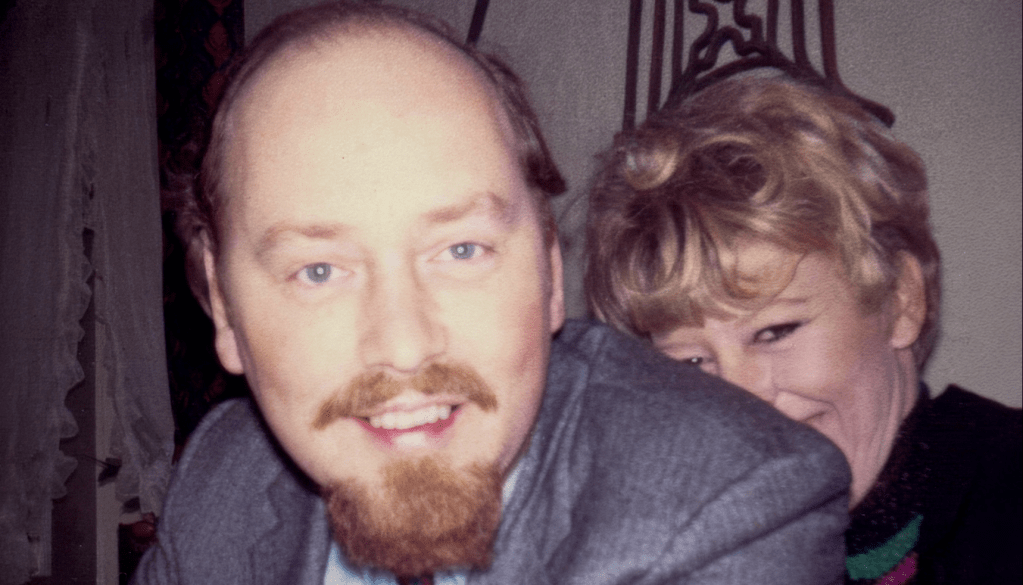
Fans of John Williams will be thrilled to finally learn about the Maestro’s family history, his childhood, the relationship with his siblings and the especially strong bond he had with his father, John Francis Williams, who was a crucial figure in his formative years. The composer shares vivid memories of his early years, about his education and his several teachers and mentors, offering sweet recollections and profound reflections in hindsight. People who perhaps only know him for Star Wars, Harry Potter, the infinite Oscar nominations tally and as the smiling, avuncular face on the podium of the Boston Pops will be surprised to learn about a musician whose career is much more unique and multi-faceted than they can imagine, having crossed paths with many great musical figures of the 20th century, but also for the deep and wistful character of a man known mostly for his jubilant and optimistic music. Certainly everyone will be fascinated to learn about Williams’ ideas on music and how deep he reflected on the artform itself and on why his music reached the hearts of millions of people as part of a collective consciousness. His interest in philosophy and mythology, particulary the writings of Robert Graves, found the perfect footing when he was asked to write music for films that became modern myths.
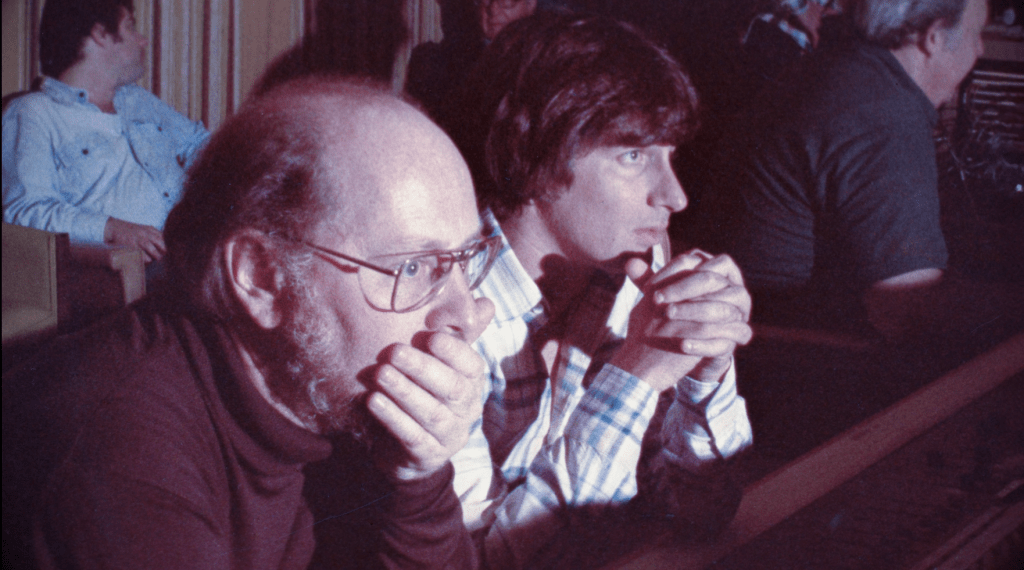
Perhaps one of the most unexpected outcomes from reading the story of John Williams is how much of him we all could already know just by listening to his music: despite being written to accompany specific scenes, characters and images on screen (and of course being very successful at that), the music of John Williams often speaks of broader, more universal ideas that are directly linked to the shared musical past of human history and through that it also shows the soul of the composer. It’s music that talks about childlike wonder and adventure, but also about love and pain; it’s music that connects us deeply to the past, both personal and shared, while making us excited for the exciting possibilities that the future holds. It’s music that makes our spirits soar and fly over the moon, stirring profound emotions and making us feel elated, always proud to be alive and still part of this sometimes dreary world. It’s very rare that the same words can be used to also describe the man who wrote it. “I’m just a simple musician,” says John Williams in the quote that opens the book: It is perhaps the most direct and sincere phrase any artist used to describe himself.
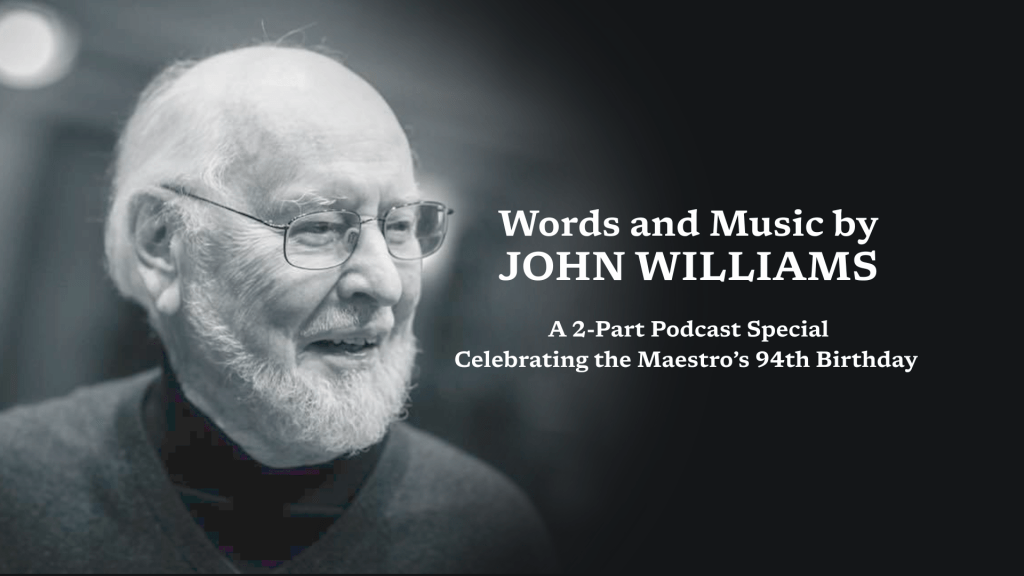
In this conversation, Tim Greiving sits down with The Legacy of John Williams to talk about his lifelong love for John Williams’ music, his quest in bringing the first biography on the Maestro to life, the thorough learning process he went through when meeting and talking with his idol while reflecting on the weight of the task he chose.

Pre-order John Williams: A Composer’s Life on Oxford University Press:
https://global.oup.com/academic/product/john-williams-9780197620885
Tim Greiving’s official website:
https://timgreiving.com/
Follow Tim Greiving’s Substack Behind The Moon, a chronicle on the writing of the book and also a hub for more John Williams-related content:
https://behindthemoon.substack.com/

 The Legacy of John Williams