
LISTEN:
When it comes to enjoy the artistry of a great classical instrumentalist, it’s quite common to look for their intepretations of the immortal works considered the canon of western classical music, mostly the gold standard that spans between the 17th and the 19th century. For violinists, the task at hand is inevitably tied to the masterpieces of the instrument’s repertoire by Bach, Mendelssohn, Mozart, Beethoven, Brahms, Tchaikovsky, Bruch, to name just the usual warhorses. The violin has continued to inspire composers throughout the 20th century as well, with seminal works and concerti by Stravinsky, Schoenberg, Shostakovich, Prokofiev, Berg, which are part of the established canon. But what about new music for violin composed today? The average person might think that what is written nowadays for the concert hall is still locked and bridled by the language of avant-garde, or that it’s strictly atonal and somehow hard to grasp. Nothing is more untrue than this—quite the opposite, the violin found a renewed youth with contemporary works brimming with color, freshness and lyricism. There is one musician in particular who has been responsible for this renaissance and to whom everyone who loves classical music should be thankful to: American violinist Anne Akiko Meyers.
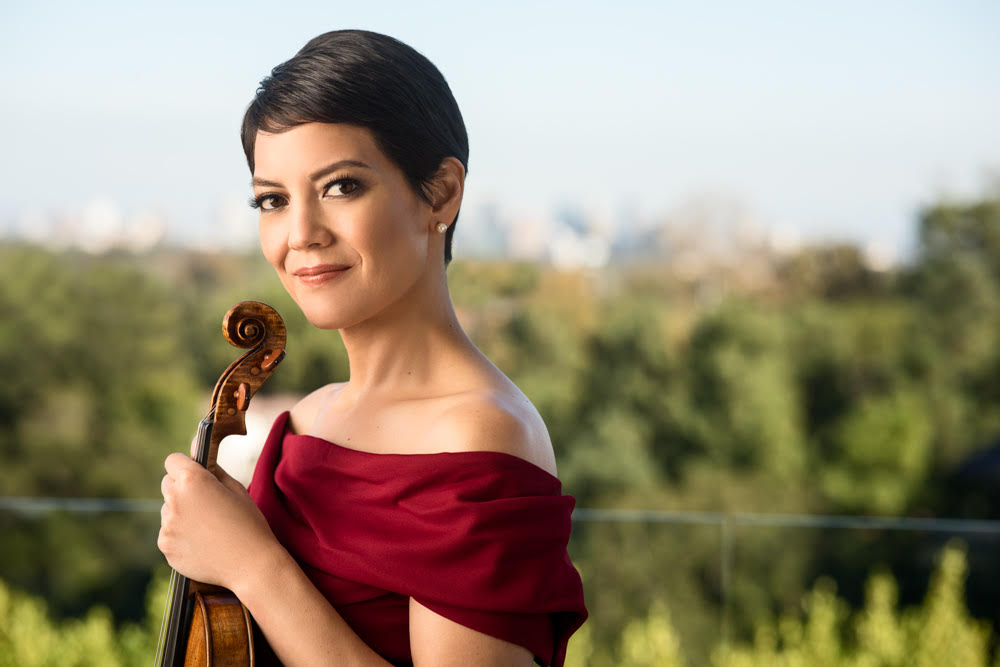
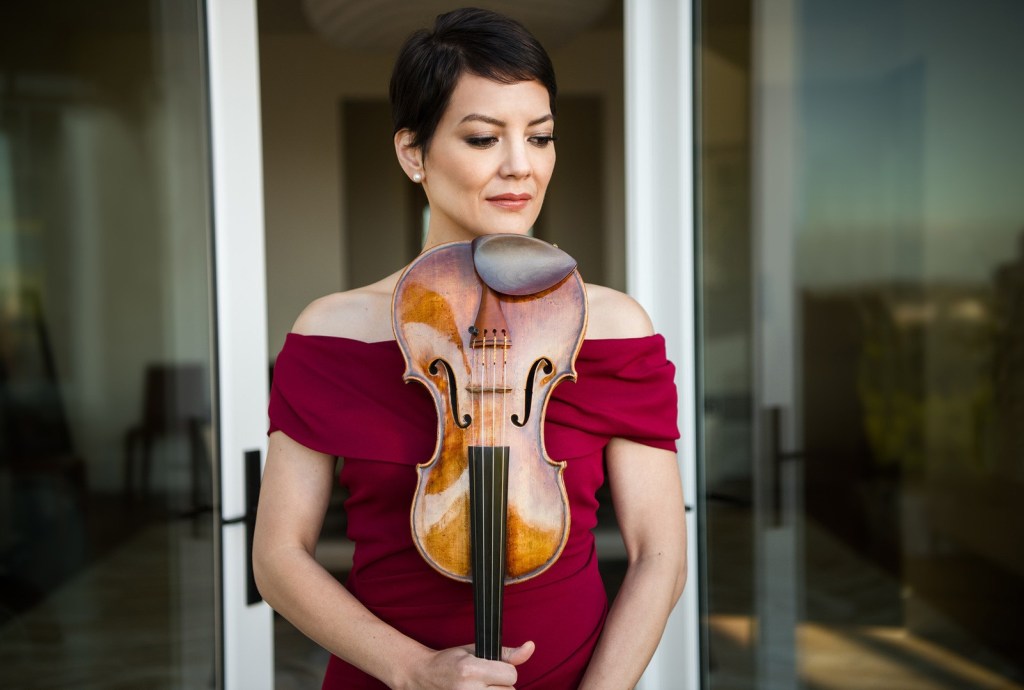
Anne Akiko Meyers stands among the most influential violinists of our times. A GRAMMY® Award-winning artist with four decades of international acclaim, Meyers is a defining force in the field of contemporary music and has helped reshape the modern violin repertoire. She has been called “the Wonder Woman of commissioning” for her enduring commitment to playing and commissioning music by some of the most important composers of the last half century and the incredible legacy of violin repertoire she is leaving for future generations. She collaborated with such visionary composers as Arvo Pärt, Einojuhani Rautavaara, John Corigliano, Arturo Márquez, Philip Glass, Michael Daugherty, Mason Bates, Adam Schoenberg, Billy Childs, Jakub Ciupiński, Ola Gjeilo, Morten Lauridsen, Wynton Marsalis, Somei Satoh, and Eric Whitacre.
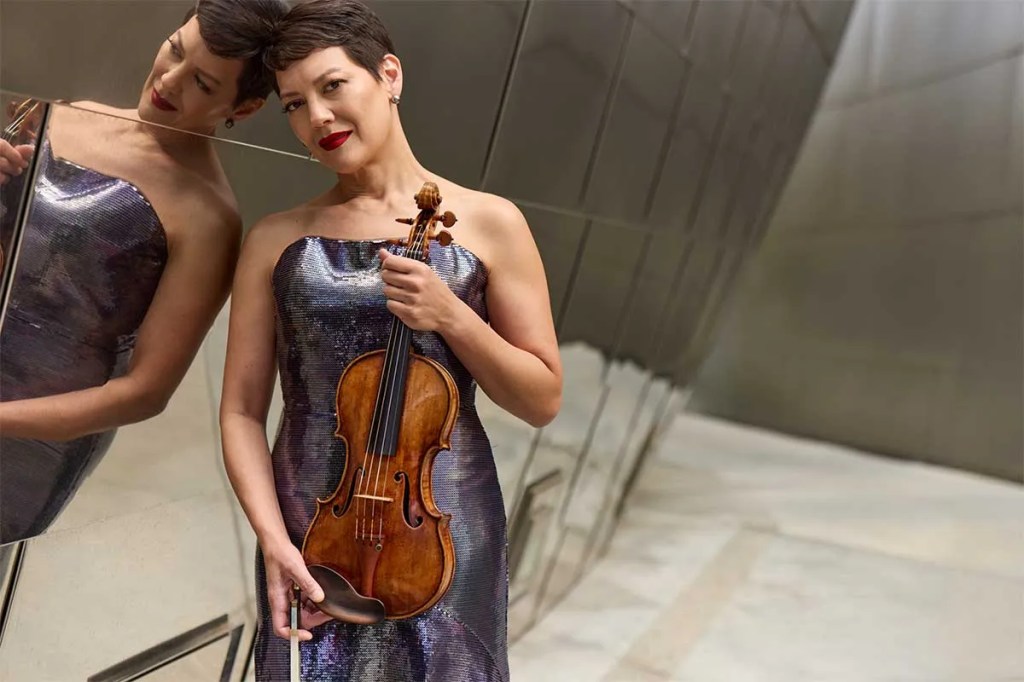
Born in San Diego and raised in Southern California, Meyers started to take violin lessons with Alice and Eleonore Schoenfeld at a very young age and performed in front of an audience when she was just 7. A true child prodigy, she moved to New York at age 14 to study at The Juilliard School with Dorothy DeLay, Masao Kawasaki, and Felix Galimir. She subsequently signed with her first management contract at 16 and recorded her debut album at 18 at Abbey Road Studios, becoming one of the most lauded violinists on the international stage ever since. Her technique is rock-solid and she’s able to make her instrument – a magnificent ex-Vieuxtemps Guarneri del Gesù dated 1741 – sing both with fiery passion and poignant delicacy. She is a powerful presence on stage, with captivating performances that connects deeply with the audience.
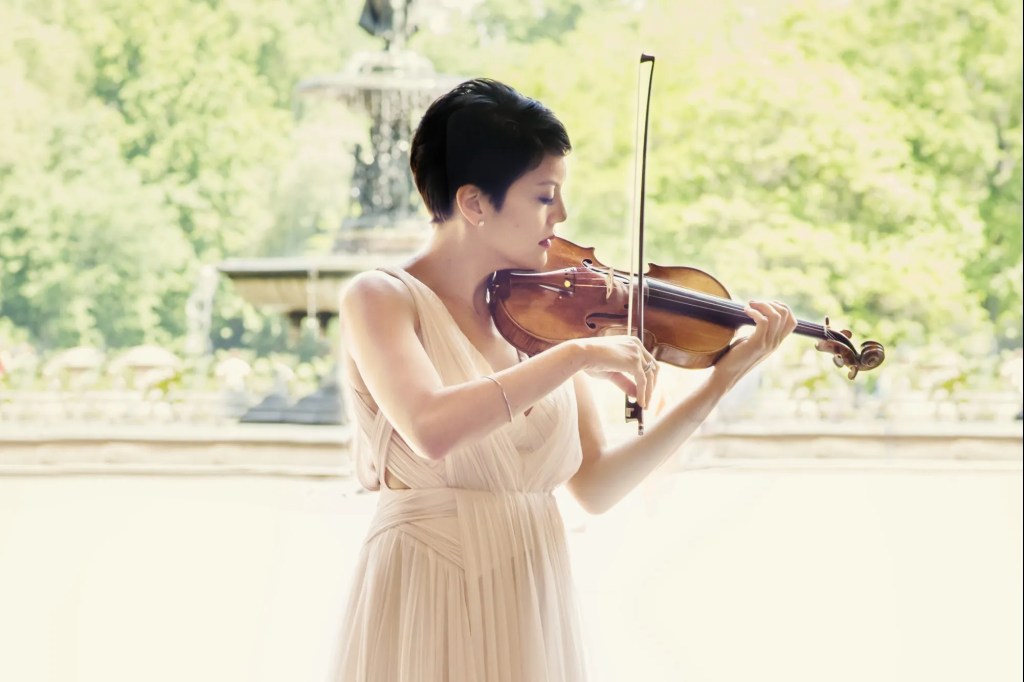
Meyers has been praised or her purity of sound, poetic interpretations, gorgeous performances, innovative programming, and commitment to commissioning new works. Her love for new music has inspired distinguished composers to write some of their finest works—just in the last few years, Anne premiered Michael Daugherty’s virtuosic and cinematic concerto “Blue Electra” (inspired by the life of pioneer airplane pilot Amelia Earhart); Eric Whitacre’s poignant “The Pacific Has No Memory” (composed in reaction to the fires that ravaged extensive parts of the Los Angeles in early 2025); Philip Glass’ meditative “New Chaconne”; and Arturo Márquez’s kaleidoscopic, mariachi-inspired violin concerto “Fandango,” premiered by Meyers at the Hollywood Bowl with the Los Angeles Philharmonic conducted by Gustavo Dudamel and subsequently released as a recording that won the 2024 Latin GRAMMY Award for Best Classical Album.
A prolific recording artist, Meyers released three new albums in 2025 including the GRAMMY-nominated Beloved, recorded with Grant Gershon and the LA Master Chorale featuring music by Billy Childs, Ola Gjeilo, and Eric Whitacre. She also continues to perform around the world both as a recitalist and as guest soloist with symphony orchestras, gracing global audiences with her rapturous playing of both standards of the classical repertoire and boldly new imaginative works written specifically for her, thus enabling a new and deeper connection with the listener.
Anne Akiko Meyers is a huge admirer of John Williams since her youth. At age 19, she performed Camille Saint-Saëns’s “Introduction and Rondò Capriccioso” at Boston’s Symphony Hall with the Boston Pops Orchestra conducted by Williams. The performance was taped for the ever-popular Evening At Pops TV show, for which maestro Williams also filmed a special introduction.
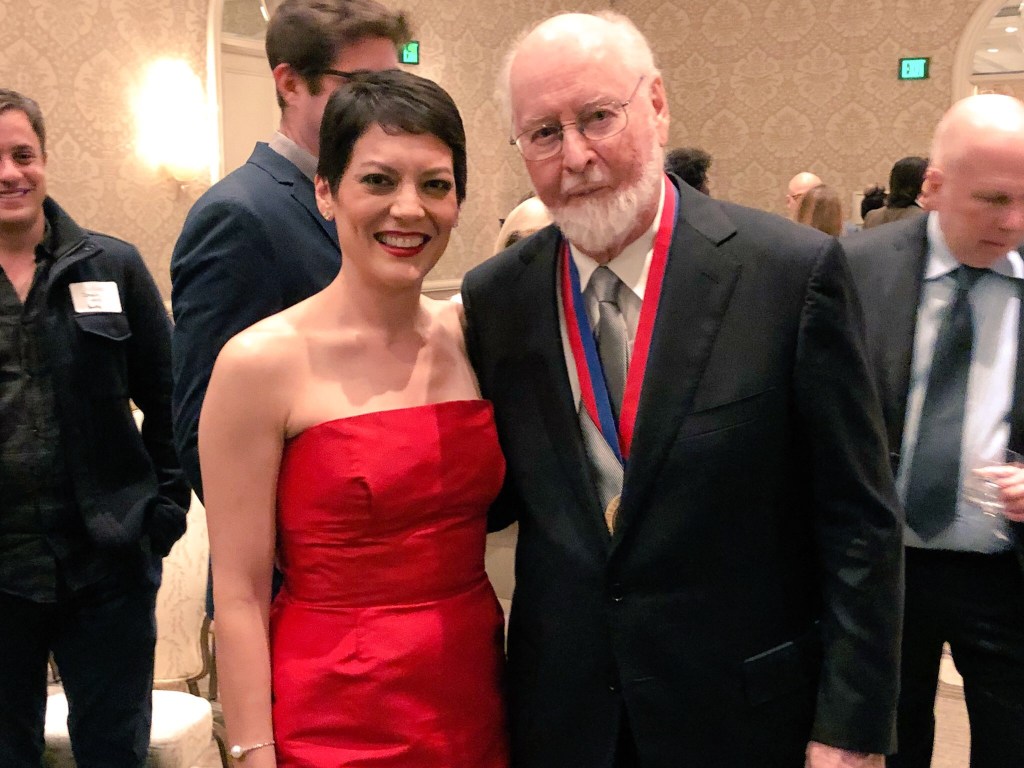
In 2018, she performed Williams’s “Theme from Schindler’s List” with David Newman and The American Youth Symphony to honor the composer, when he received a Trustees Award during a gala concert celebrating the Recording Academy’s 2018 GRAMMY Salute To Music Legends.
Meyers paid tribute to John Williams also when the composer was given The Juilliard’s President Medal in 2018; during the ceremony, she performed the “Theme from Schindler’s List” accompanied by pianist Bernardine Blaha. On that occasion, president Joseph Polisi broke the news that Juilliard was to be the recipient of a fabulous bequest from Williams—his complete library of concert music and film music scores as well as his sketchbooks. Meyers has performed the Schindler theme several times over the years, including a private recital with harpist Cristina Montesmateo attended by the composer, and the piece is now part of her standard repertoire.
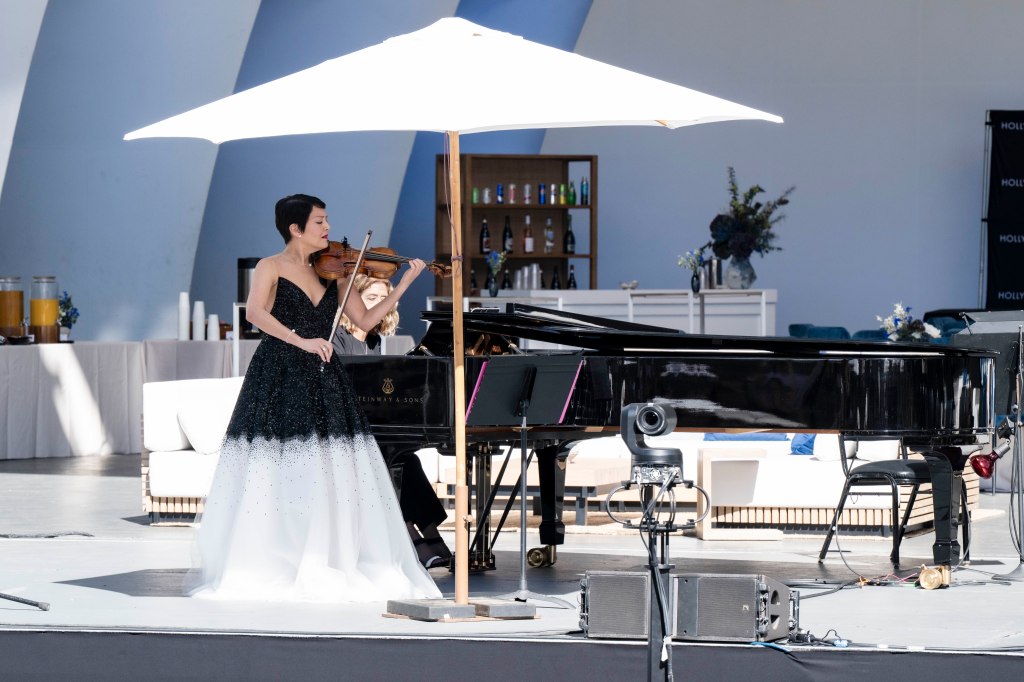
Meyers was part of another recent pivotal moment in Williams’ life, when in November 2025 the Los Angeles Philharmonic announced to name the stage of the renowned Hollywood Bowl after the composer, in honor of the countless appearances at the venue and for bringing thousands of people every year to attend his legendary concerts. During the private ceremony (attended by Williams and several of his closest friends and collaborators including Steven Spielberg, George Lucas, Gustavo Dudamel, and David Newman among others), Meyers performed a gorgeous rendition of the “Theme from Sabrina” accompanied by LA Phil’s Principal Pianist Joanne Pearce Martin.
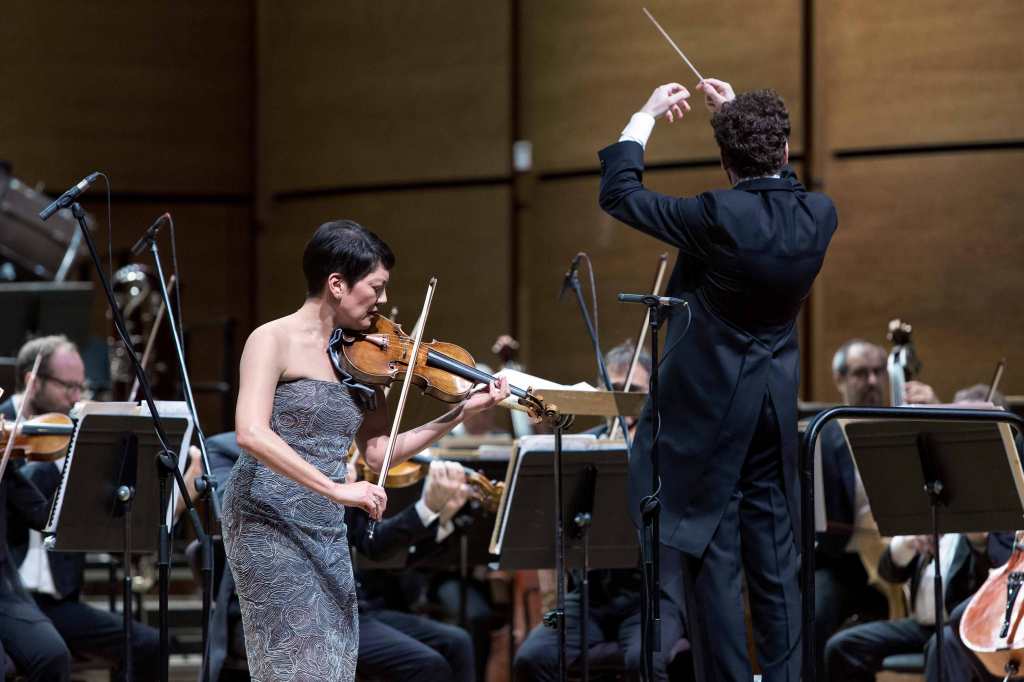
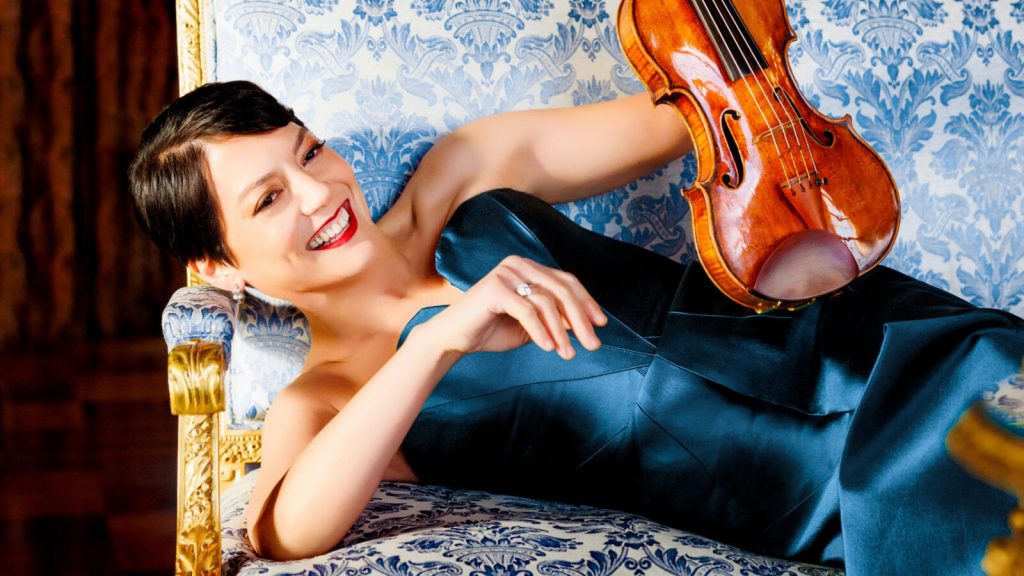
Anne recently stopped in Milan, Italy, to perform Samuel Barber’s Violin Concerto with the Orchestra Sinfonica di Milano conducted by Emmanuel Tjeknavorian and agreed to sit down with The Legacy of John Williams for an interview in which she shares her immense love for John Williams’ music and the maestro himself. “His absolute generosity with people, and his humanity, his person is so extraordinary,” Meyers said about Williams. “Not only is he just one of the greatest composers to ever write music, but he’s so generous in his spirit and such a kind human being.”
In this in-depth conversation, Meyers talks about her career in music and her mission to perform new music by living composers; she offers reflections on Barber’s Violin Concerto, which is one of her favourite pieces to perform; she also shares stories and memories of performing with and for John Williams on several occasions, while professing her deep love for the music of the maestro.
Special thanks to Lindsay Sharpe and Allison Van Etten (8va Music Consultancy) and to Valentina Trovato (Orchestra Sinfonica di Milano) for their kind help and assistance.
List of music excerpts featured in the episode:
. Samuel Barber, Violin Concerto, op.14 – Mvt. I. Allegro, London Symphony Orchestra conducted by Leonard Slatkin; Anne Akiko Meyers, violin
. Samuel Barber, Violin Concerto, op.14 – Mvt. III. Presto in moto perpetuo, London Symphony Orchestra conducted by Leonard Slatkin; Anne Akiko Meyers, violin
. Arturo Márquez, Fandango – Mvt. I. Folìa tropical; Los Angeles Philharmonic Orchestra conducted by Gustavo Dudamel; Anne Akiko Meyers, violin
. Michael Daugherty, Blue Electra – Mvt. II. Paris; Albany Symphony Orchestra conducted by David Alan Miller; Anne Akiko Meyers, violin
. John Williams, “Theme from Schindler’s List” (live recording, 2018); Anne Akiko Meyers, violin; Bernardine Blaha, piano
. Camille Saint-Saëns, Introduction and Rondò Capriccioso; Boston Pops Orchestra conducted by John Williams; Anne Akiko Meyers, violin
. John Williams, “End Titles” from Close Encounters of the Third Kind (1977)
. John Williams, “Theme from Sabrina” (live recording, 2025); Anne Akiko Meyers, violin; Joanne Pearce Martin, piano
. Samuel Barber, Violin Concerto, op.14 – Mvt. I. Allegro, London Symphony Orchestra cond. by Leonard Slatkin; Anne Akiko Meyers, violin
. Arturo Márquez, Fandango – Mvt. I. Folìa tropical; Los Angeles Philharmonic Orchestra cond. by Gustavo Dudamel; Anne Akiko Meyers, violin
. Eric Whitacre, “The Pacific Has No Memory,” Orpheus Chamber Orchestra; Anne Akiko Meyers, violin
. Samuel Barber, Violin Concerto, op.14 – Mvt. II. Andante, London Symphony Orchestra cond. by Leonard Slatkin; Anne Akiko Meyers, violin
. John Williams, “Theme from Sabrina” (live recording, 2025); Anne Akiko Meyers, violin; Joanne Pearce Martin, piano
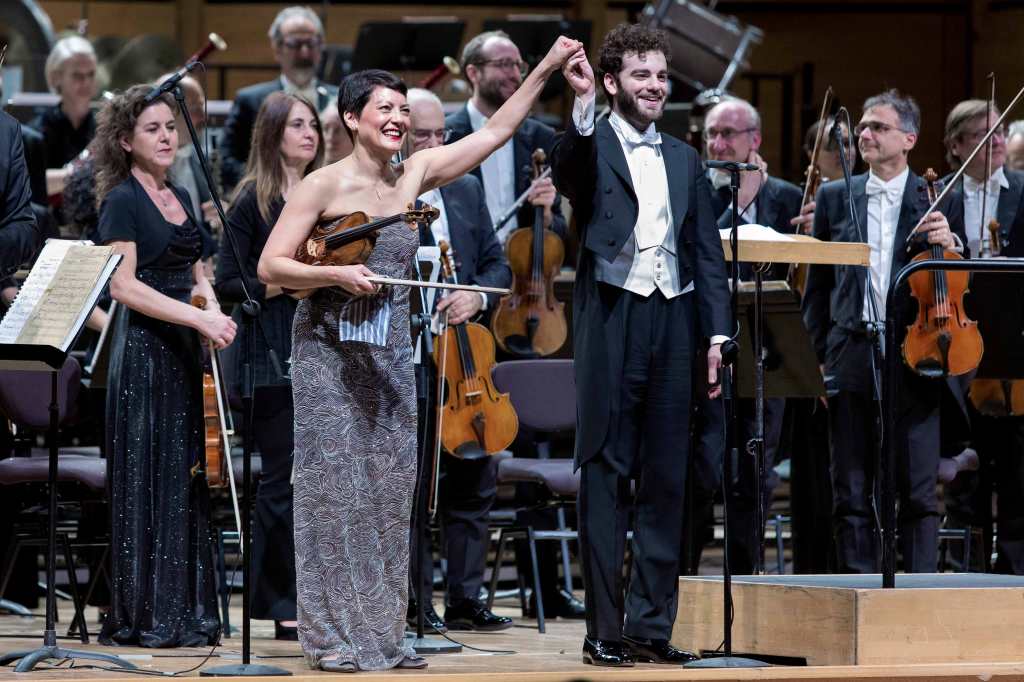
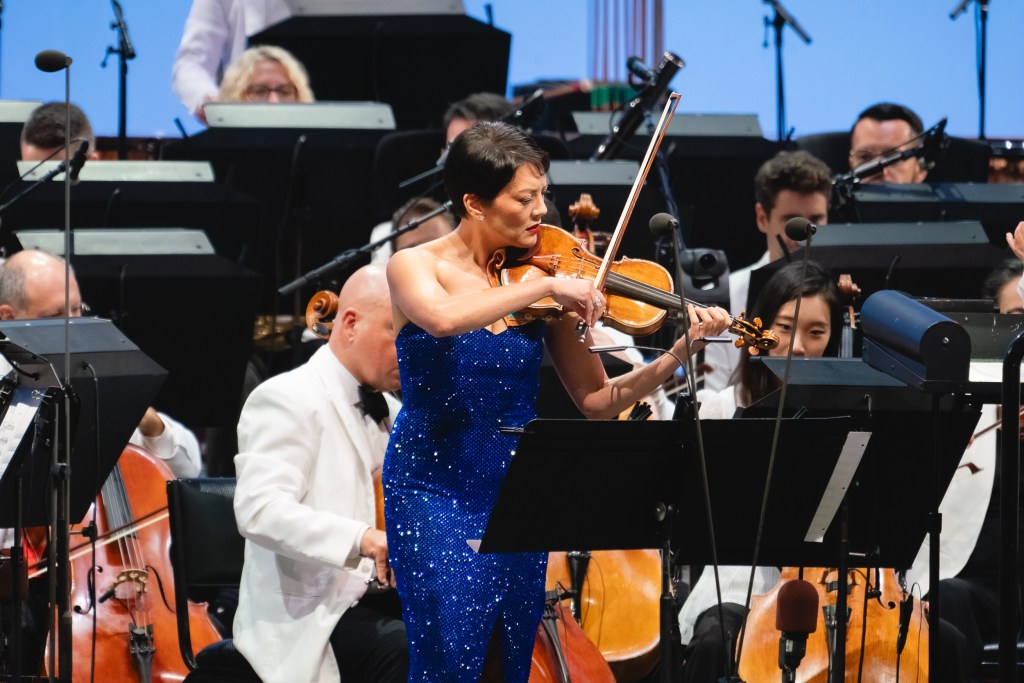
Anne Akiko Meyers performs Barber’s Violin Concerto at the Auditorium in Milano, Italy, with the Orchestra Sinfonica di Milano conducted by Emmanuel Tjeknavorian (Photo: Angelica Concari/OSM)
 The Legacy of John Williams