

Table of Contents
- Film Details
- Music Credits
- Essential Discography
- Awards and Nominations
- In Williams’ Words
- Videos
- Bibliography and References
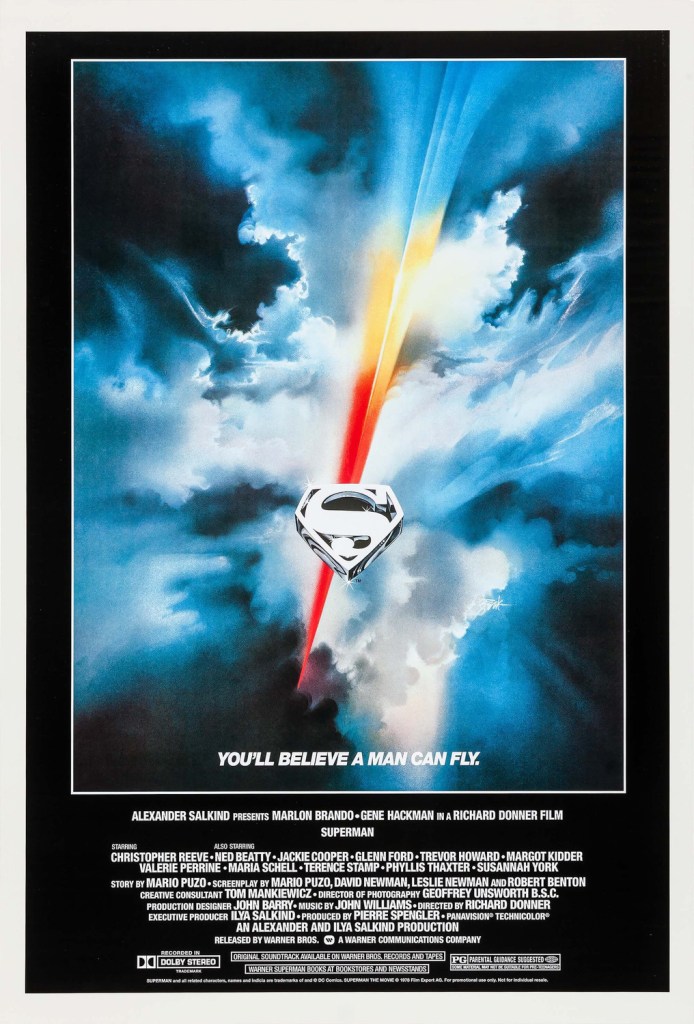
Film Details
Year: 1978
Studio: Warner Bros.
Director: Richard Donner
Executive Producers: Alexander and Ilya Salkind
Producer: Pierre Spengler
Writers: Mario Puzo, David Newman, Leslie Newman, Robert Benton, Tom Mankiewicz (based upon the Superman comic-book characters created by Jerry Siegel & Joe Shuster published by DC Comics)
Main Cast: Christopher Reeve, Marlon Brando, Gene Hackman, Margot Kidder, Ned Beatty, Jackie Cooper, Glenn Ford, Trevor Howard, Valerie Perrine, Maria Schell, Terence Stamp, Phyllis Thaxter, Susannah York
Genre: Action – Adventure – Science Fiction
For synopsis and full cast and crew credits, visit the IMDb page
Music Credits
Music Composed and Conducted by John Williams
Performed by the London Symphony Orchestra
“Can You Read My Mind”
Music by John Williams
Lyrics by Leslie Bricusse
Performed by Margot Kidder
Music Editor: Bob Hathaway
Assistant Music Editor: Ken Ross
Scoring Mixer: Eric Tomlinson
Assistant Engineer: Alan Snelling
Orchestrators: Herbert W. Spencer, Arthur Morton, Angela Morley
Recording Studio: Anvil Film and Recording Group, Inc., Denham, Middlesex, UK
Recording Dates: July 6, 7, 10, 11, 13, 14, September 9-11, October 6, 15, 24, 31, November 4, 1978

Essential Discography
Original Soundtrack Album and Expanded Reissues
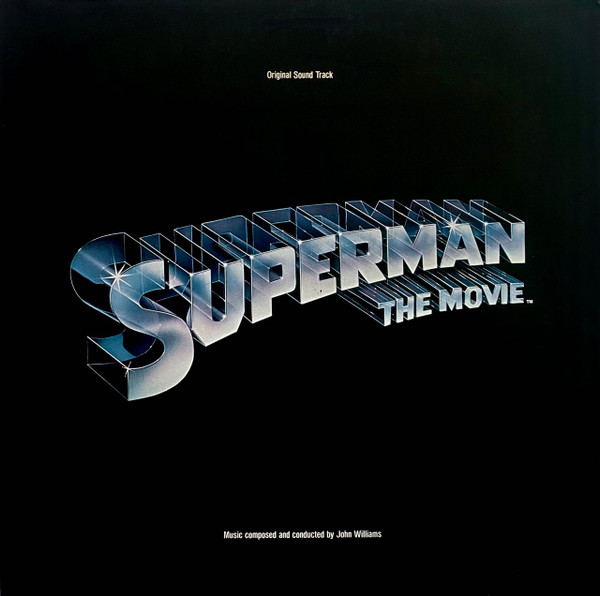
Original Sound Track (1978)
Warner Bros. Records 2BSK 3257 – 2-LP set
Warner Bros. 3257-2 – CD Reissue (1987) – without tracks “Growing Up” and “Lex Luthor’s Lair”
Warner Bros. WPCP-3859 – CD Reissue (1990) – Japan-only pressing
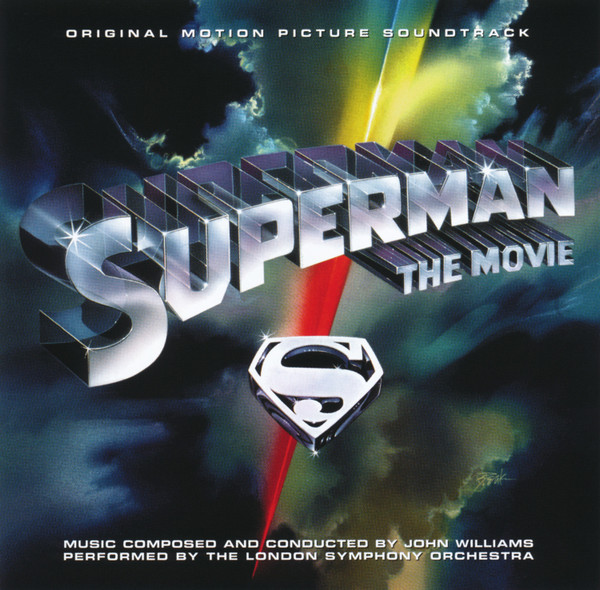
Expanded and Remastered Reissue (2000)
Rhino Records/Warner Archives 8122-75874-2 – 2-CD set
Assembled by Mike Matessino
Produced by Nick Redman and Mike Matessino
Edited and Mastered by Dan Hersch
Liner notes by Mike Matessino
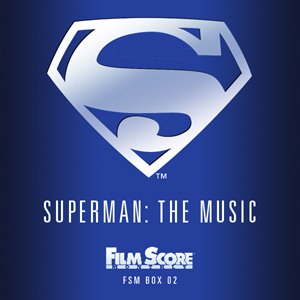
Superman: The Music – 1978-1987 (2008)
Film Score Monthly FSM Box #02 – 8-CD Limited Edition
Assembled and mixed by Mike Matessino
Produced by Mike Matessino and Lukas Kendall
Also includes expanded soundtracks of “Superman II” and “Superman III” (by Ken Thorne), and “Superman IV” (by Alexander Courage)
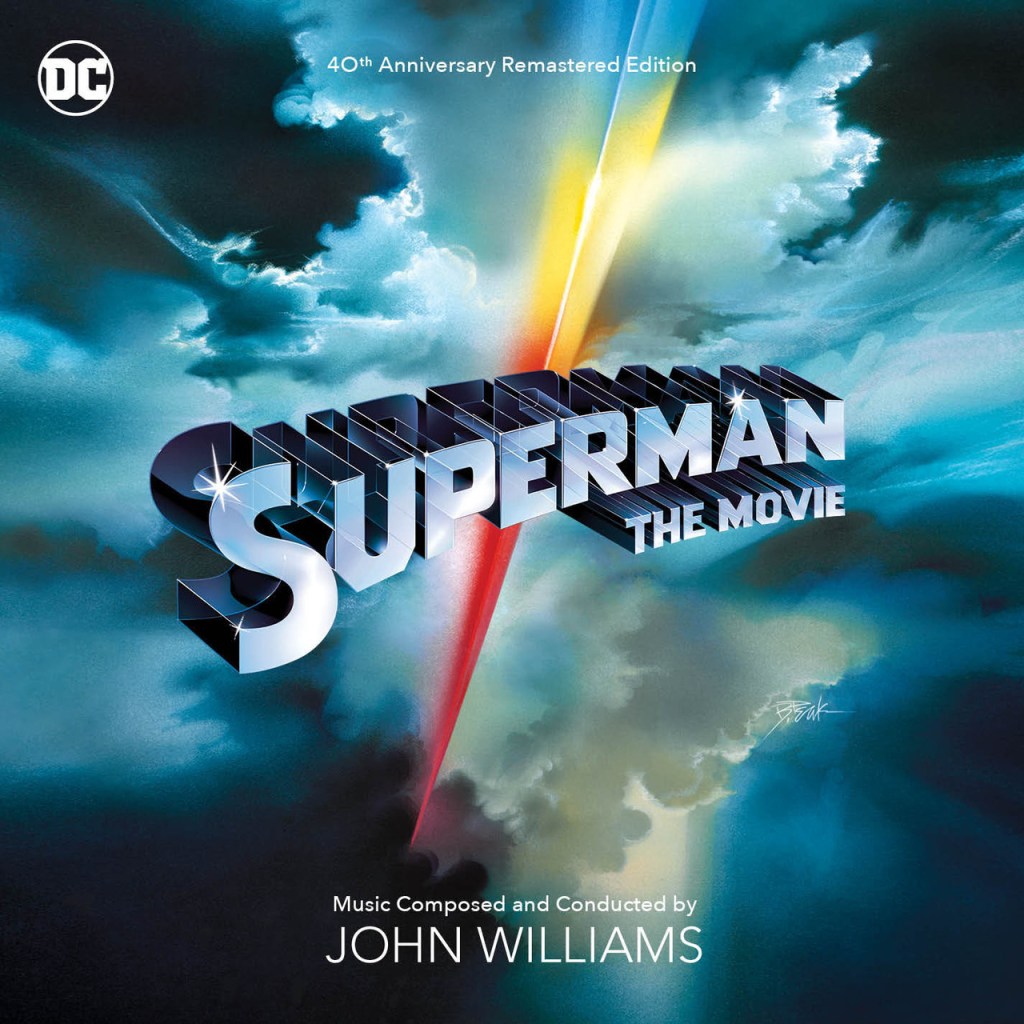
40th Anniversary Remastered Edition (2019)
La-La Land Records LLCD 1478 – 3-CD Limited Edition
Assembled, mastered and produced by Mike Matessino
Full film score presentation and alternate cues on Disc 1 and 2; remastered 1978 original soundtrack album on Disc 3
Selected Re-recordings
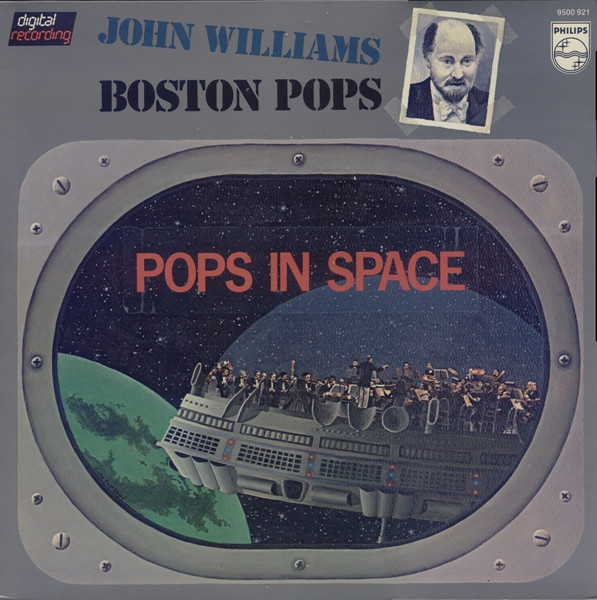
“March” and “Love Theme” from Superman (concert suite)
Boston Pops Orchestra conducted by John Williams
Pops In Space (1980)
Philips Records 9500 921
Produced by George Korngold
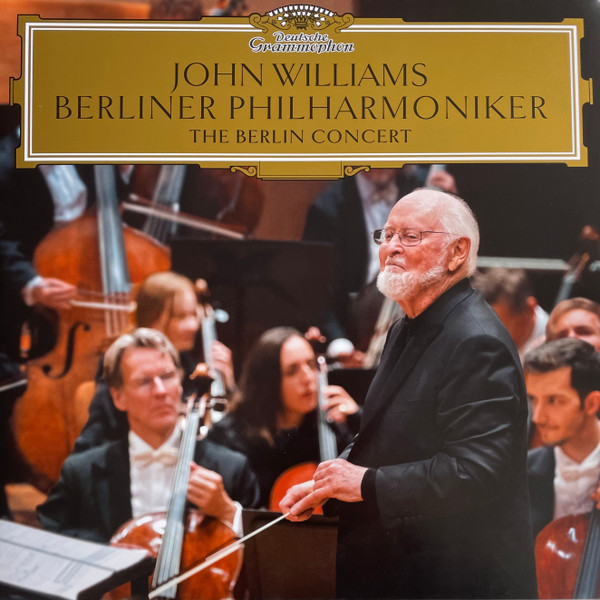
“Superman March”
Berlin Philharmonic Orchestra conducted by John Williams
John Williams – The Berlin Concert (2022)
Deutsche Grammophon 486 1713
Produced by Christoph Franke/Berlin Phil Media
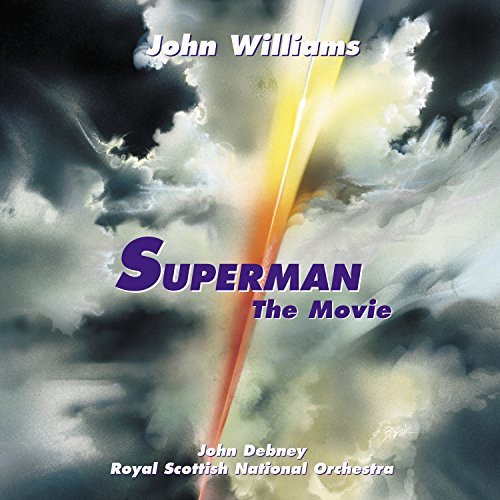
Superman: The Movie – Selections from the original score (2-CD set, 1998)
Royal Scottish National Orchestra; John Debney, conductor
Varèse Sarabande VSD2-5981
Produced by Robert Townson
Awards and Nominations
Academy Awards
Nomination: Best Original Score
Golden Globe Awards
Nomination: Best Original Score
Grammy Awards
Winner: Best Instrumental Composition (“Superman – Main Title Theme”)
Winner: Best Album of Original Score Written for a Motion Picture or Television Special
Nomination: Best Pop Instrumental Performance (“Superman – Main Title”)
Saturn Awards
Winner: Best Music
In Williams’ Words
“Growing up in my generation meant that you avidly followed the exploits of Superman in the syndicated comic strips that regularly appeared in newspapers across the country. It was a time when Superman fired the imaginations of all of our youngsters, and I was no exception.
Many years later, when director Richard Donner asked me to compose the score for his feature-length film of Superman, I was thrilled. I truly felt that I was revisiting a formative part of my childhood.
I remember how excited I was when Mr. Donner showed me his wonderful film with actors Christopher Reeve and Margot Kidder flying high above the Statue of Liberty in one of the movie’s many memorable moments. I began by writing this piece, which formed the basics of the musical score for the film.
The movie’s great success wouldn’t have been possible without Christopher Reeve who embodied every characteristic of what we imagined Superman to be. I would like to dedicate this concert edition to my friend Christopher, without whom this music would never have seen the light of day.”1
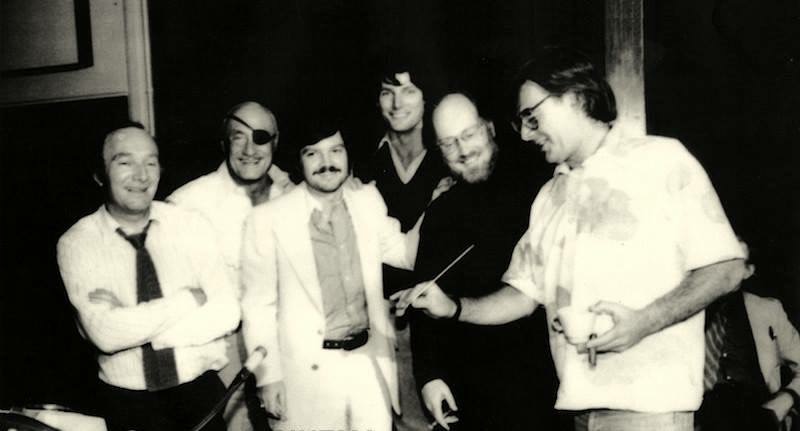
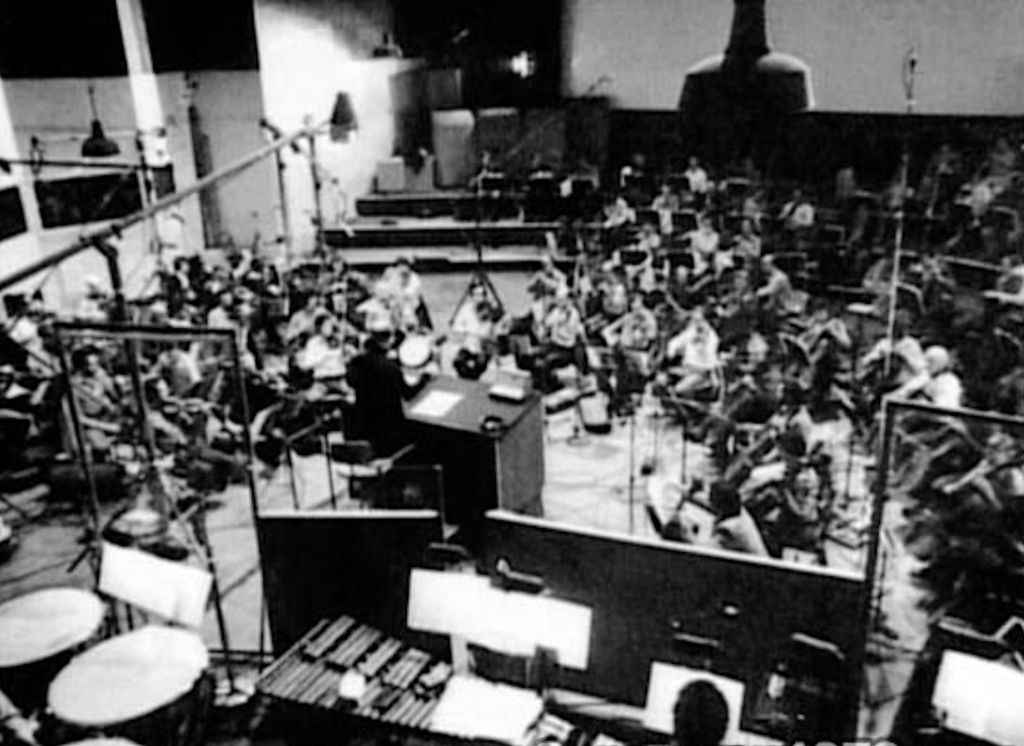
“I have a particularly warm, even loving feeling for Superman, the first one, and I had that from the first day of meeting Dick Donner and Chris Reeve. Christopher was very young at the time and their energies taken together, they were magic together off the set, just having lunch, having dinner, playing around with the script, and certainly on the shooting. Even as late as our recording sessions for Superman, Chris Reeve was always there, he always came. He was kind of a fan; he would sit next to the podium, or sit in the recording room, and came I think not to every recording session, but very nearly all of them. And also later films that I did, Chris would come around, sometimes even unannounced, and just sit and enjoy listening to the orchestra.
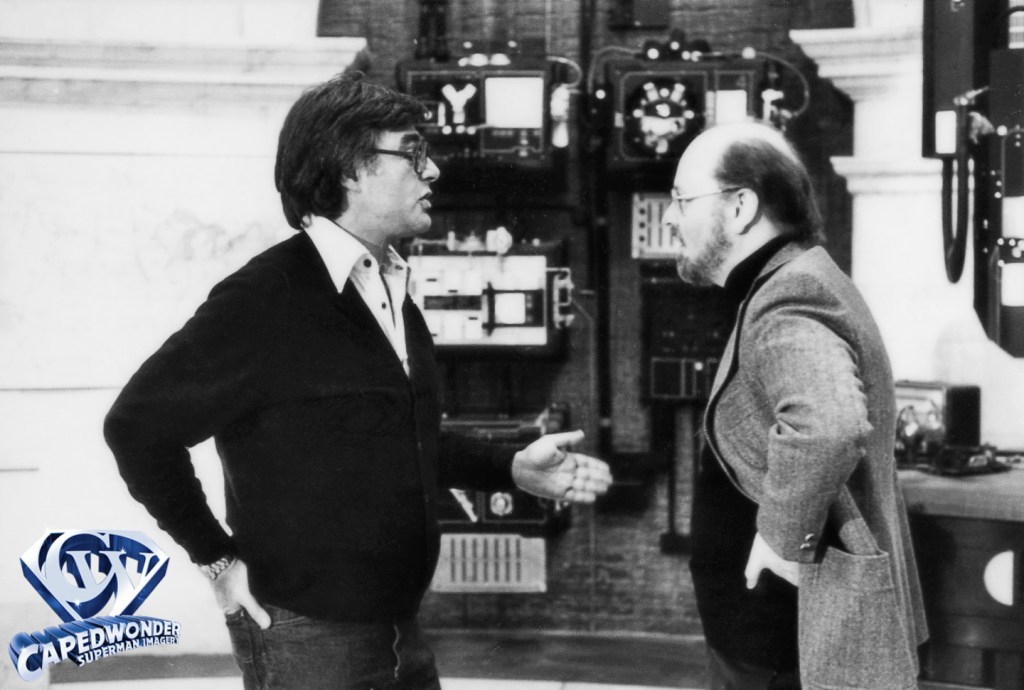
We worked at Pinewood Studios in England and I certainly had many meetings with Dick Donner at the studio about the spotting of the film, various scenes. I really don’t recall any particular conversations we had, other than the fact that it was always a very friendly and enjoyable work experience. It was something I enjoyed enormously. He’s a marvelous personality and character and energy source and he brought all of that to his filmmaking, and the combination of Richard Donner and Christopher Reeve produced a wonderful alchemy.”2
“I think of [Maurice Murphy’s] playing, or the effect of it, as really having created the voice of a hero, and it has made him the ideal trumpeter, especially for me in the film projects we’ve done together.
I love what we call here, or think of, as the British school of brass playing. It’s a different sound to the European brass, I think, and certainly from our American brass playing, all of which is wonderful in their particular ways, but I love the British approach and tradition and style. And Maurice led the way for me with those films. I mean, he was, again, the ideal voice of the hero for Superman.
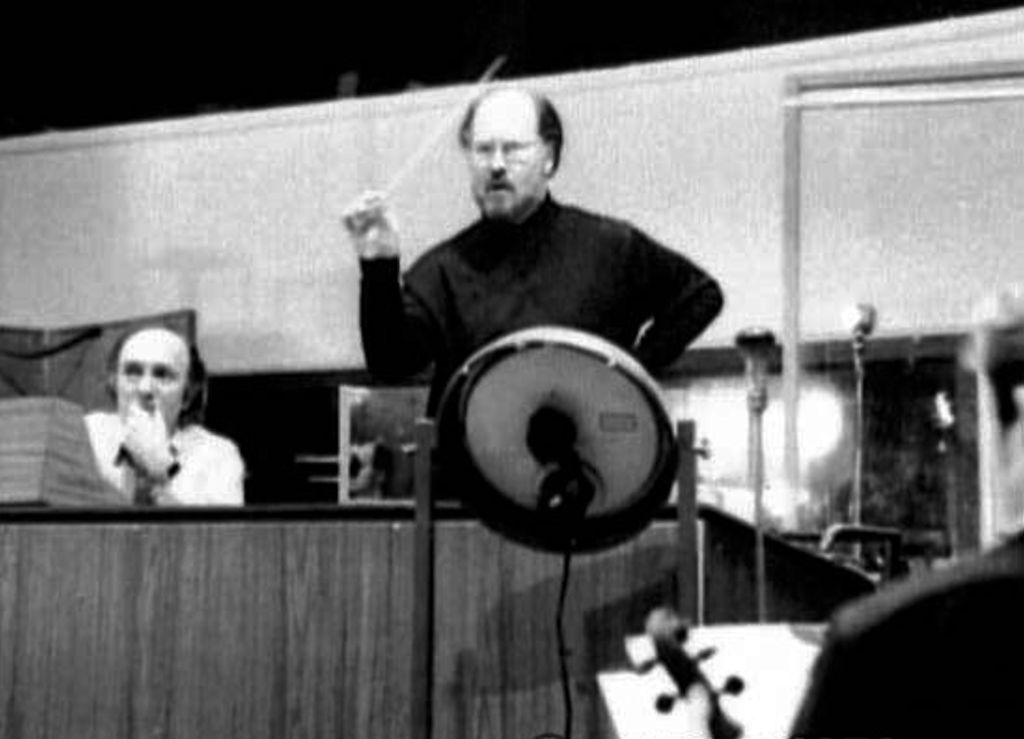
I’m just so proud of being associated with him, and with the British musicians and with the LSO in particular.”3

Quotes and Commentary
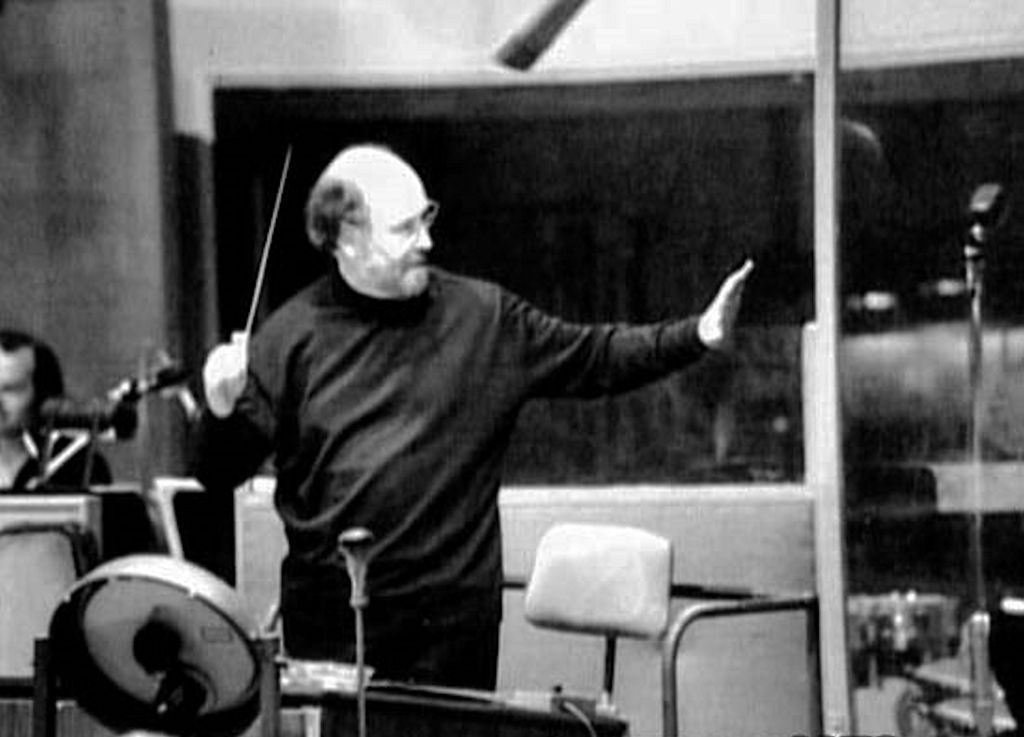
“By the middle of 1978 I had been filming Superman for nearly a year-and-a-half and had lost my objectivity about it. But when I went to John Williams’ first recording session with the London Symphony Orchestra and heard his score for the opening titles, my spirits soared. His soundtrack for the film is perfect and will always remain a classic.”4
– Christopher Reeve
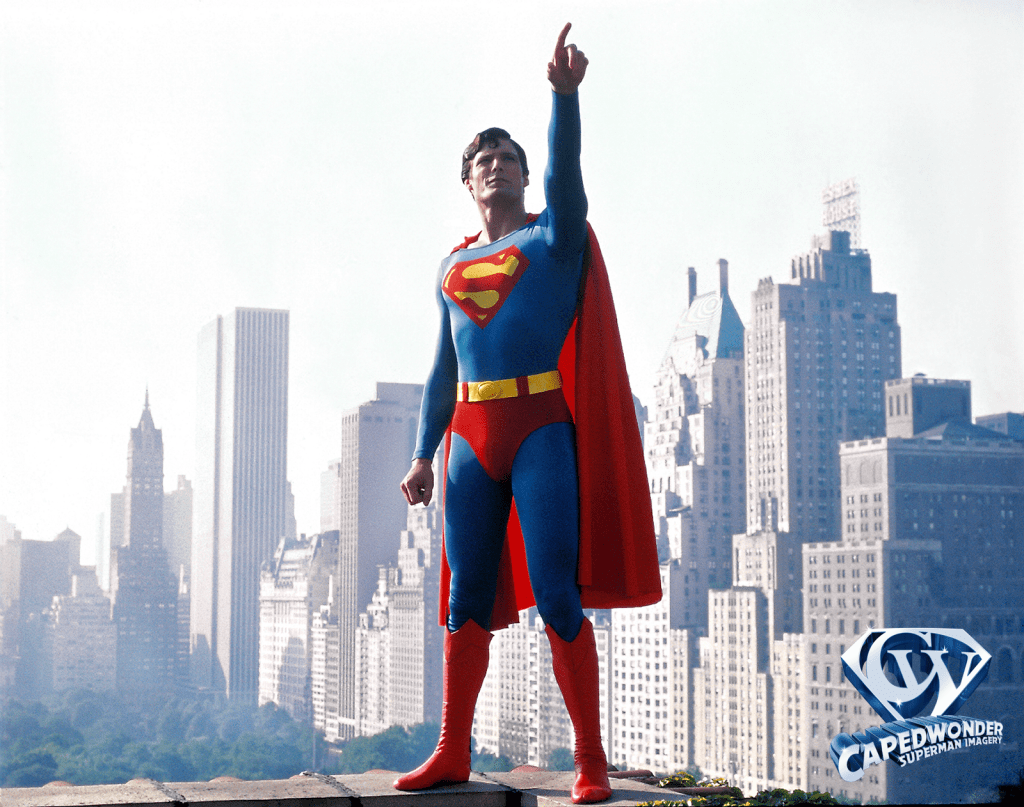
Williams began sketching out themes for Superman in the autumn of 1977 while putting the finishing touches on his ambitious score for Steven Spielberg’s Close Encounters Of The Third Kind (which preceded The Fury and Jaws 2). While the mechanics of scoring Superman proved difficult due to the absence of many of the visual effects at the time of the July 1978 recording sessions, the music itself seemed to come easily. But, then, this was not the first music to accompany the flights and plights of the Man of Steel, and what had preceded was diverse and distinctive. The Columbia serial employed a minor-mode march by Russian composer Mischa Bakaleinakoff, while the stage musical of 18 years later made use of Charles Strouse’s light folksy melodies of the day set to the lyrics of Lee Adams. However, it was the victory marches written for the Fleischer cartoons (by Sammy Timberg) and for the ’50s television series (by Leon Klatzkin) that seemed to generate the most common musical association with the character, and Williams wisely remained in this mode when writing his own march. All three feature a strong relationship of the tonic to the dominant fifth (the relation of “Do” to “Sol”), and are melodically arranged in such a way that the listener is almost compelled to sing the word Superman as if it were a lyric.
The prominent use of the upper fifth interval is also evident in Richard Strauss’ musical setting of Thus Spake Zarathustra, the 1885 tone poem by German existentialist philosopher Friedrich Nietzsche, which is the literary source for the word superman. Strauss’ interpretation is best known for the use of its prologue as musical bookends in Stanley Kubrick’s influential 1968 science-fiction film 2001: A Space Odyssey, a visual and thematic influence on Star Wars and Close Encounters. Certainly the Superman of Nietzsche-a being who evolves to a level of supremacy over his physical world-can be applied to 2001, as well as to the mythos of Superman. Perhaps it is no coincidence that Nietzsche himself was a composer and was noted for his close but often heated relationship with Richard Wagner, whose musical style of employing the leitmotif, exemplified in his Ring Of The Nibelungen, was the same one John Williams applied to the archetypal epic of Superman as well as to Star Wars. However, there is no music in Superman that can be mistaken for that of Star Wars or for his subsequent scores for The Empire Strikes Back or Raiders Of The Lost Ark. All are big, bold, brassy, and played to perfection by the London Symphony Orchestra, but each is distinct and fits its corresponding film perfectly – which is why this particular period stands out as an exceptionally prolific one in John Williams’ expansive career.5
– Mike Matessino
Videos
Opening Titles from Superman: The Movie | Warner Bros. Pictures
“The Helicopter Rescue” scene from Superman: The Movie | Warner Bros. Pictures
“The Flying Sequence” from Superman: The Movie | Warner Bros. Pictures
“Making The Score” DVD featurette
Warner Bros. Home Entertainment, 2001
Produced by Michael Thau
“Superman March” – Live at Suntory Hall, Tokyo (2023)
Saito Kinen Orchestra conducted by John Williams
Bibliography and References
. Bond, Jeff – “Tale of the Cape,” Film Score Monthly Vol.5 N.1, January 2000
. Lichtenfield, Eric – “Super Rescues,” Film Score Monthly Vol.5 N.1, January 2000
. Matessino, Mike – Liner notes for Superman: The Movie – Original Motion Picture Soundtrack, Warner Archives/Rhino, 2000
. Matessino, Mike / Kendall, Lukas / Eldridge, Jeff – “A Score Takes Flight,” liner notes for Superman: The Movie – 40th Anniversary Remastered Edition, La-La Land Records, 2019
Legacy of John Williams Additional Resources
. Soundtrack Spotlight podcast on the 40th Anniversary Soundtrack Edition: Part 1 – Part 2
. Live To Picture Concert Podcast Special: Part 1 with Anthony Gabriele – Part 2 with Mike Matessino
. Live To Picture Concert Premiere In Lucerne (2022): Article
Footnotes
- Introductory note to “March from Superman” – John Williams Signature Series, Hal Leonard Music Publishing ↩︎
- Quoted in Superman: The Music (1978-1987) liner notes, Film Score Monthly, 2008 ↩︎
- Excerpt fro LSO: Maurice Murphy podcast, Tommy Pearson/Red Ted Films, 2007 ↩︎
- Introductory note to Superman The Movie – Original Motion Picture Soundtrack liner notes, Warner/Rhino, 2000 ↩︎
- Matessino, excerpt from Superman The Movie – Original Motion Picture Soundtrack liner notes, Warner/Rhino, 2000 ↩︎
 The Legacy of John Williams