LISTEN
The collaboration between director Steven Spielberg and composer John Williams has been staple of modern cinema for more than fifty years. Very few other director/composer relationships are comparable in terms of aesthetic and creative results (Alfred Hitchcock/Bernard Herrmann, Sergio Leone/Ennio Morricone, Federico Fellini/Nino Rota, to name the most obvious), and possibly no other collaboration between two people in the film world is equal in terms of sheer longevity. We’ll save you the usual list of their biggest and most famous achievements, but given the context of what we’re discussing, a look to the past is somewhat inevitable.

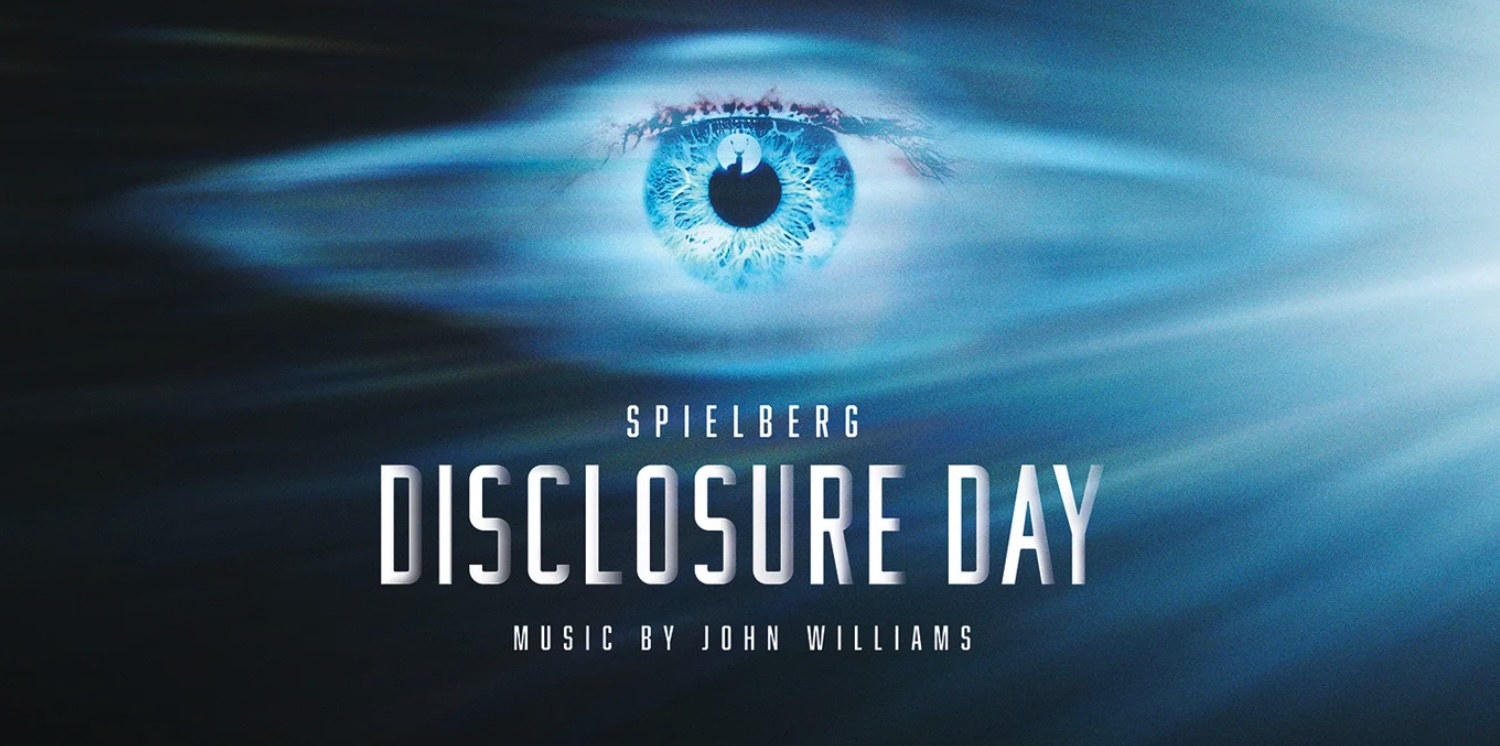
Disclosure Day is the 30th feature film collaboration between Spielberg and Williams. It’s also the first science-fiction film they’re doing since War of the Worlds (2005), a genre in which they’ve done some of their best and most cherished work. It’s also a return to themes and motifs at the basis of two of Spielberg’s most personal and successful films, Close Encounters of the Third Kind and E.T. The Extra-Terrestrial. The possibility of discovering proof of extra-terrestrial life and making contact with other-world civilizations has fascinated Spielberg since his days as an amateur filmmaker and became a propeller of his imagination when he established himself as a juggernaut director after the record-breaking box office results and the cultural impact of Jaws (1975), which established the concept of the blockbuster as known still today.

Beyond their sci-fi origin, both Close Encounters and E.T. contains many of Spielberg’s personal obsessions and recurring motifs, a lot of which are taken from his own personal life. For the director, the genre becomes the window through which he can frame his view on the world and reflect about what makes us human. Disclosure Day is a return to a familiar ground, but this time eschews direct autobiographical elements and instead channels the turmoil of recent world events (global wars, the coronavirus pandemic) and the ever-growing lack of trust toward established powers and governments. The plot of the film ignites when a computer engineer named Daniel Kellner (Josh O’Connor) working for a top-secret agency called WARDEX steals tons of classified material containing visual proof of existence of extra-terrestrial life and how alien technology was exploited for military purposes, with the intent of finally exposing the truth to the entire world helped by former WARDEX employee Hugo Wakefield (Colman Domingo). Kellner crosses path with Kansas City TV meteorologist Margaret Fairchild (Emily Blunt), who started to experience unusual phenomena such as speaking fluently foreign languages and being able to “read” people’s thoughts and feelings. They will soon discover to have special powers originated by an early contact with extra-terrestrials and, in a heart-pounding race against time chased by the evil WARDEX agents headed by Noah Scanlon (Colin Firth), Daniel and Margaret will become the key that will finally unlock the truth to the entire world.

Spielberg came up with the concept and wrote a treatment that became the basis of David Koepp’s screenplay. The film abounds with references (sometimes very direct and clear, others more subtle and tangential) to Steven Spielberg’s overall oeuvre and it’s certainly in direct conversation with the director’s previous extra-terrestrial efforts. Spielberg is still looking up to the sky searching for hopeful answers and reinstates his belief in the goodness of humans to overcome their differences and make empathy a driving force. We’ll leave to others to discuss if the end result is worth of the (certainly noble) intent, but what can be agreed upon is what has been achieved by John Williams with his original score for Disclosure Day.

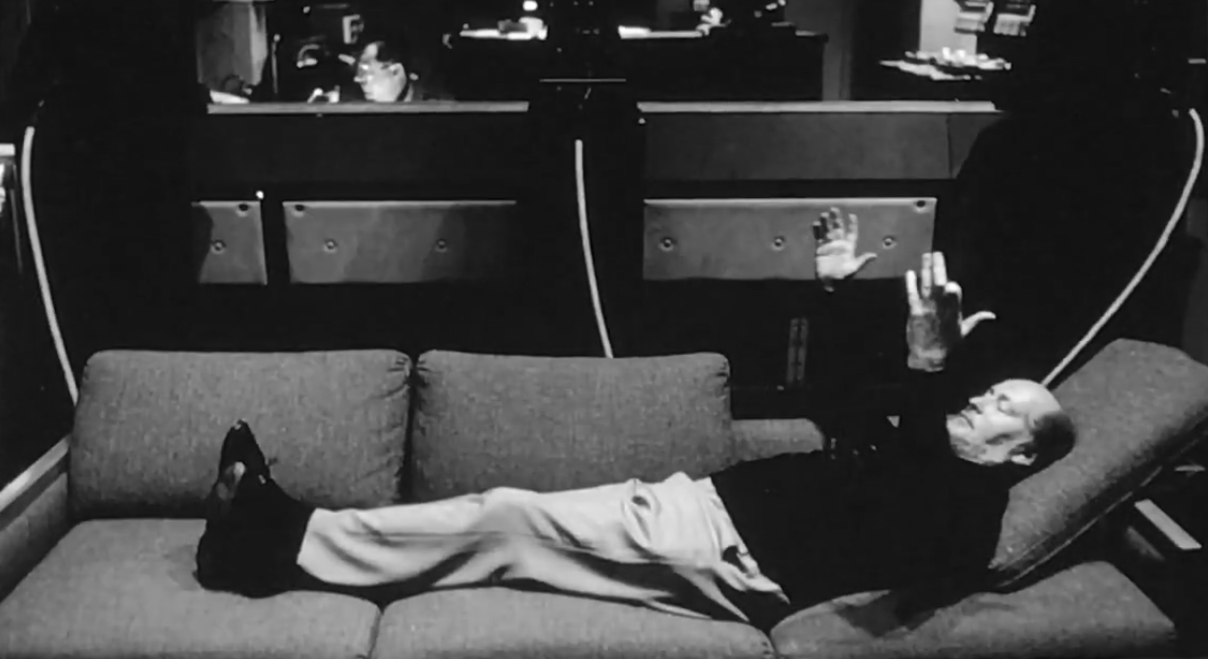
John Williams agreed to score Disclosure Day despite the health issues he faced in the last two years. Nobody was certain that the composer would write a full film score at this stage of his career, but he signed on to the project after Spielberg showed him a cut of the film in June 2025. Journalist Jon Burlingame provided a detailed account on the making of the score, which saw Williams returning to his beloved Los Angeles studio orchestra made of the finest players of the LA area (including French horn player Dylan Hart, pianists Joanne Pearce Martin and Randy Kerber, clarinetist Don Foster, harpists JoAnn Turovsky and Marcia Dickstein among others) and leading several sessions between September 2025 and February 2026. Beyond the fact that this project would’ve marked a nice round number of film collaborations, both Spielberg and Williams knew that this could’ve also been an ideal round-up, or summation, of their best work in the genre. As pointed by film music writer Ryan Webber, the score for Disclosure Day is “feeling less like a standalone score than a tribute to Williams’ extraordinary career,” adding also how Williams “pays homage to his own remarkable musical legacy” all throughout. However, the composer isn’t playing with so-called intertextuality (which has become a bane of contemporary cinema), nor he’s merely winking at the audience by way of quoting himself or creating a nostalgic send-off. Instead, the musical score converses with previous works by reflecting on and transfiguring past experiences, then presenting them anew with the wisdom of old age.

The main thematic material is redolent of quiet wistfulness and it’s elegiac in nature. Williams creates a musical offering that works both as a prayer or a plea for an anguishing world in look for answers and as a recapitulation of an entire life in music. The score is subtle and almost subdued in accompanying the treacherous aspect of the plot, staying underneath the film, as Steven Spielberg asked. “It is like he is accompanying the film from slightly behind it, pushing it forward,” said the director. Williams employs electronic textures and atmospheric writing for the early scenes, but the score becomes bolder and more upfront as the story progresses and the stakes get higher, becoming more and more aligned with Margaret’s point of view.

The composer revists the awe and wonder so closely associated with seminal moments in films like E.T. and Close Encounters (but there are also hints of moments of Hook and A.I. Artificial Intelligence) in the scene when Margaret visits a recreation of her childhood home and her memories begin to come alive. The homecoming – a classic Spielberg trope – is scored by Williams with music that evokes memories of childhood, happiness and fairy tales. Director and composer are inviting us once again into their own universe and asking to look back at what made us who we are.

Editor Maurizio Caschetto offers a personal commentary about what makes the 30th – and possibly final – collaboration between Steven Spielberg and John Williams a moving statement about who they are and what they believe in as artists, reflecting on decades of awe, wonder and magic created by this unparalled duo.
Links and Resources
Tim Greiving, “Disclosure Day and Finale”, Behind the Moon Substack blog, June 2026:
https://behindthemoon.substack.com/p/disclosure-day
Jon Burlingame, “‘Disclosure Day’: John Williams Recorded Two Hours of Music Over a Six Month Period for his 30th Collaboration with Steven Spielberg (Exclusive),” Variety, June 2026:
https://variety.com/2026/artisans/news/disclosure-day-john-williams-steven-spielberg-1236779833/
Ryan Webber, “Disclosing Disclosure Day,” Film Score Monthly Online Vol.31 No.7:
https://www.filmscoremonthly.com/issues/issue-269/disclosing-disclosure-day/?view=all
Disclosure Day Original Motion Picture Soundtrack available on CD and Vinyl at Waxworks Records:
https://waxworkrecords.com/products/disclosure-day
Available digitally on Back Lot Music
Podcast: Play in new window | Download